


Steam Cleaning vs Dry Cleaning for Upholstery: Which Is Better?
May 16, 2025 - Mattress Cleaning, Upholstery cleaning
If you’ve got a well-loved sofa or an armchair that’s seen a few too many movie nights, chances are you’re thinking about giving your upholstery a proper clean. But when it comes to getting the job done right, you’re faced with a common dilemma: should you go for steam cleaning or dry cleaning?
Both methods have their place, and the right choice depends on more than just what sounds fancy. Let’s break it all down in a way that’s easy to follow, a bit like how you’d chat with a mate over a cuppa. Whether you’re dealing with pet fur, wine stains, or just the general wear and tear of everyday life, this guide should clear up the mystery and help you figure out what’s best for your furniture.
Dry Cleaning vs Steam Cleaning: The Short Version
If you only read one paragraph, read this one. Steam cleaning uses hot water and suction to pull dirt out of the fibres, so it cleans deeper but leaves the couch damp for a few hours. Dry cleaning uses very little moisture, so it is gentler and ready to use sooner, but it does not reach as far into the cushion. Heavy soiling and pet smells point to steam. Delicate fabric, a dry clean only tag, or needing the room back tonight point to dry.
The rest of this guide explains why, and covers shampooing as well, since that is the other method people ask us about.
What Is Steam Cleaning?
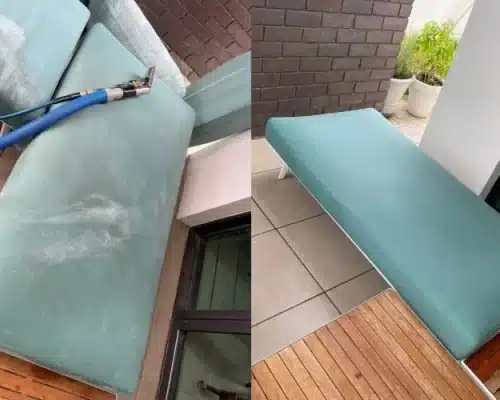
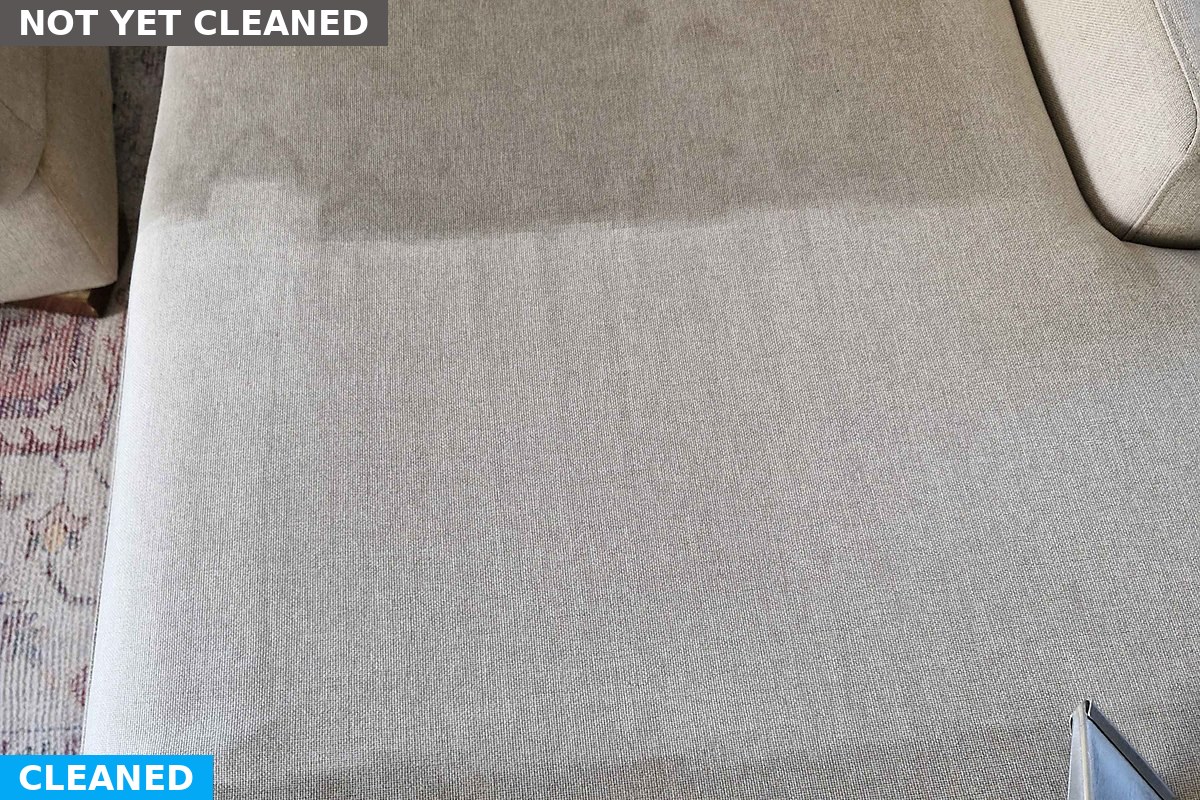
Steam cleaning, sometimes called hot water extraction, is the method most people picture when they think of deep cleaning. It involves spraying hot water mixed with a cleaning solution deep into the fabric, then sucking all that moisture back out with a powerful vacuum. It’s kind of like giving your upholstery a really thorough hot bath.
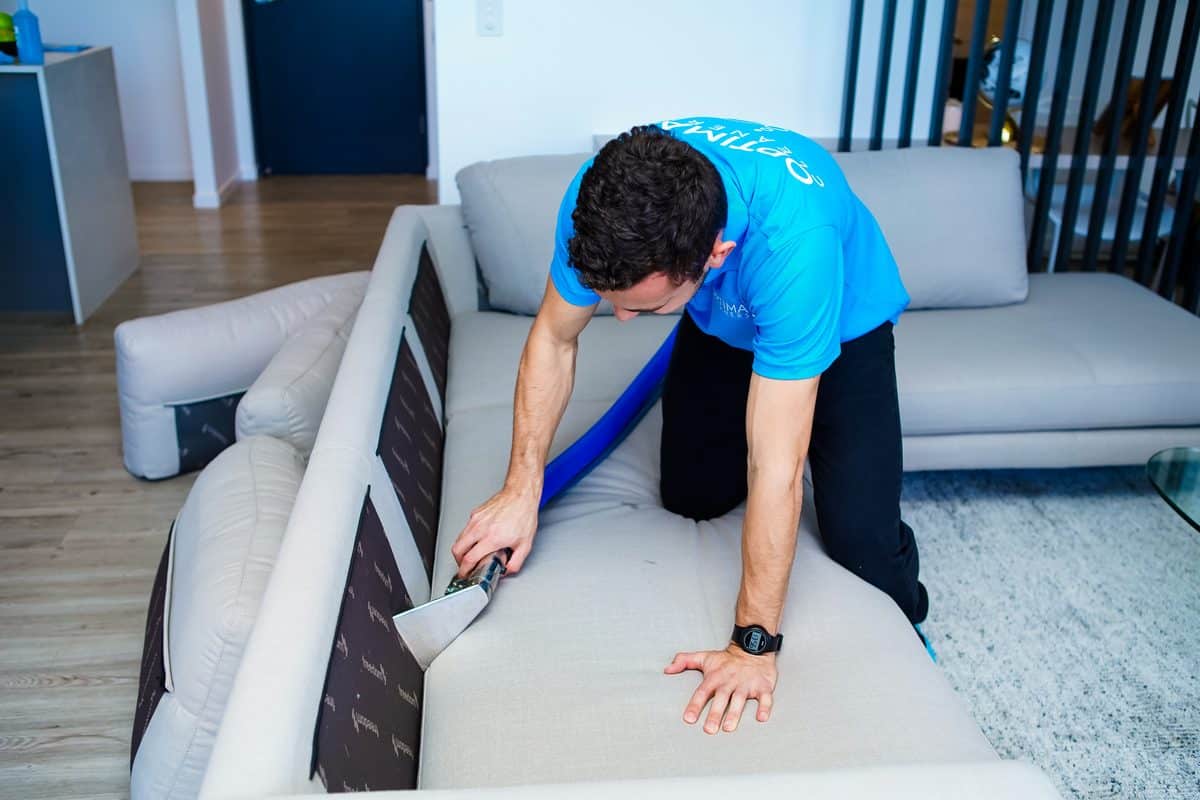
Now, this isn’t your basic mop-and-bucket job. Steam cleaners are machines that pack a punch, and they’re often used by professional services like ours at Optima Cleaners. The high temperatures help loosen grime and kill off bacteria, dust mites, and other nasties lurking in the fabric.
Pros of Steam Cleaning
The biggest win with steam cleaning is how deep it gets. If your cushions have absorbed a year’s worth of footy snacks, toddler spills, or pet surprises, steam cleaning can get right into the fibres and shift the dirt that a surface wipe just won’t touch.
It’s also great for folks who have allergies. Because it uses heat and minimal chemicals, it can effectively neutralise allergens without leaving a residue. And let’s not forget the satisfaction of seeing murky water come out of what looked like a fairly clean sofa, oddly satisfying.
It is not just us that rates it. In its guide to carpet cleaning methods, Australian consumer group CHOICE notes that carpet manufacturers recommend hot water extraction as the preferred method to clean and prolong the life of a carpet. That guidance is written about carpet rather than upholstery, but the reason behind it is the same: rinsing and extracting removes more than working the surface does.
Cons of Steam Cleaning
That said, it’s not perfect for every situation. Steam cleaning uses a fair bit of water, which means your furniture will need time to dry. Depending on the fabric, the weather, and the airflow in your home, this could take several hours, sometimes even longer. No one wants to sit on a damp couch, especially when you’re trying to relax in front of the telly.
Another catch is that some fabrics just don’t like getting wet. Steam can cause delicate or vintage materials to shrink, warp, or discolour. If your sofa’s made of silk, suede, or anything marked with a ‘dry clean only’ tag, steaming it could lead to a costly mistake.
And while steam does a cracking job at deep cleaning, if it’s done poorly or the furniture doesn’t dry properly, you could end up with lingering damp smells or even the dreaded mould.
What Is Dry Cleaning?
Dry cleaning for upholstery isn’t quite the same as dropping your suit off at the dry cleaner’s. Instead, it uses low-moisture techniques involving solvents or foam-based cleaners that break down dirt without soaking the fabric. A special machine applies the cleaner and then lifts away the dirt, often leaving your furniture ready to use in no time.
Dry cleaning is a go-to for furniture that can’t handle too much moisture. It’s also a popular choice for quick turnarounds, like if you’ve got guests coming and your armchair smells more like dog than decor.
Pros of Dry Cleaning
Speed is definitely one of the biggest draws. Because it uses barely any water, your upholstery can be dry and ready to use within a couple of hours. That’s a relief if you’ve only got one comfy chair in the lounge and don’t fancy sitting on the floor.
It’s also gentler on certain fabrics. If your cushions are made of something fancy or fragile, dry cleaning gives them a light but effective clean without risking water damage.
The whole process is tidier too. There’s less fuss, no soggy cushions, and no waiting around half the day for things to dry.

Cons of Dry Cleaning
On the flip side, dry cleaning might not give you that squeaky-clean feeling you’d get from a deeper steam clean. It does a solid job on surface grime and freshening things up, but it may struggle with deep-set stains or funky smells that have made themselves at home in the stuffing.
There’s also the chemical factor. Some solvents used in dry cleaning can leave behind a residue or a smell that’s a bit off-putting, especially if you’ve got pets or little ones bouncing around on the furniture. It’s not always the case (modern dry cleaning products have improved a lot) but it’s something to think about.
What About Shampooing a Couch?
Steam and dry cleaning are not the only two options, and shampooing is the one people ask about most. It is worth knowing what it actually is before you decide between the three.
Shampooing works a foaming detergent into the fabric with a brush, lifts the dirt to the surface, and the foam is then vacuumed away once it has dried. It sits somewhere between the other two methods: wetter than a dry clean, drier than a steam clean.
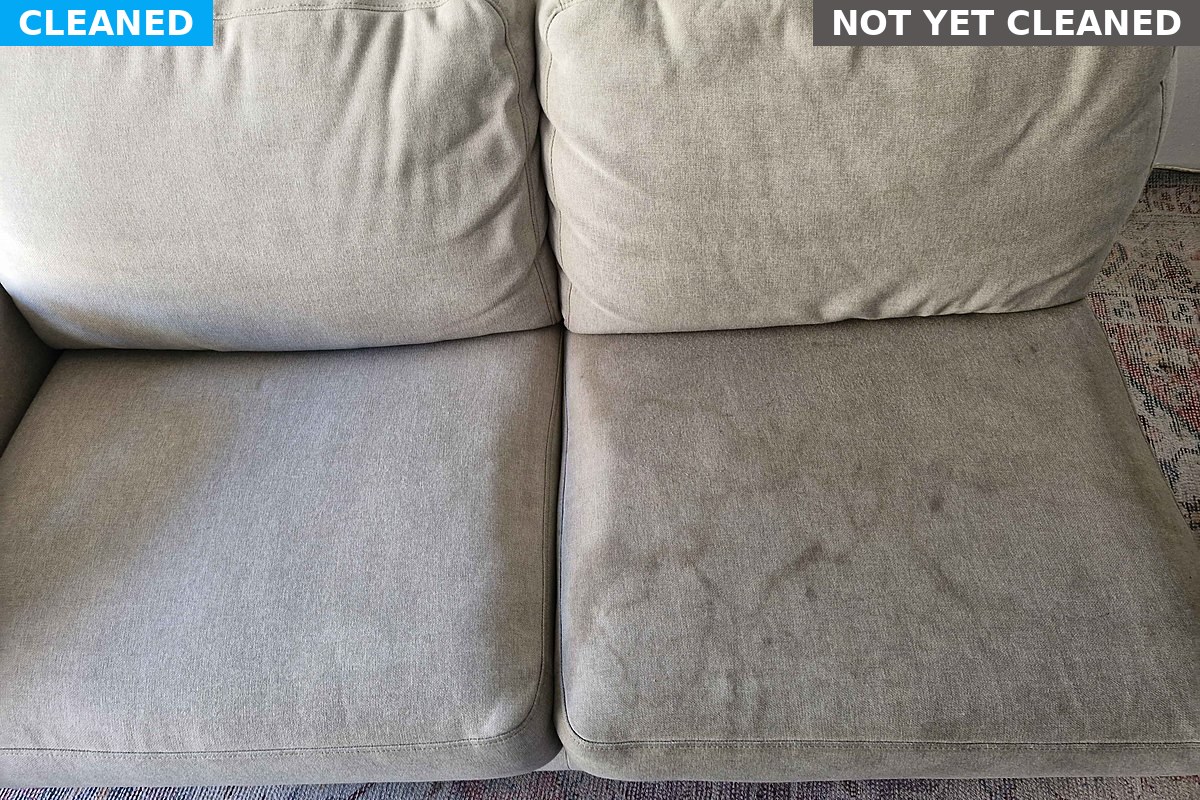
The catch is what gets left behind. Shampoo is designed to foam, and it only leaves the fabric if it is vacuumed out thoroughly once it dries. Anything still in the weave is detergent sitting in your couch, and detergent holds onto dirt. It is the usual explanation for a couch that looks brilliant for a fortnight and then seems to grubby up faster than it did before.
So when people ask steam clean or shampoo for a couch, the practical difference is the rinse. Hot water extraction rinses as it goes and pulls the dirty water straight back out. Shampooing depends on the vacuuming afterwards to take the residue with it.
Which Method Is Better?
Honestly, it depends. There’s no one-size-fits-all answer, and that’s kind of the point, because the fabric usually decides it and some upholstery materials are far easier to clean and maintain than others. Here’s a quick side-by-side to help you get a clearer picture:
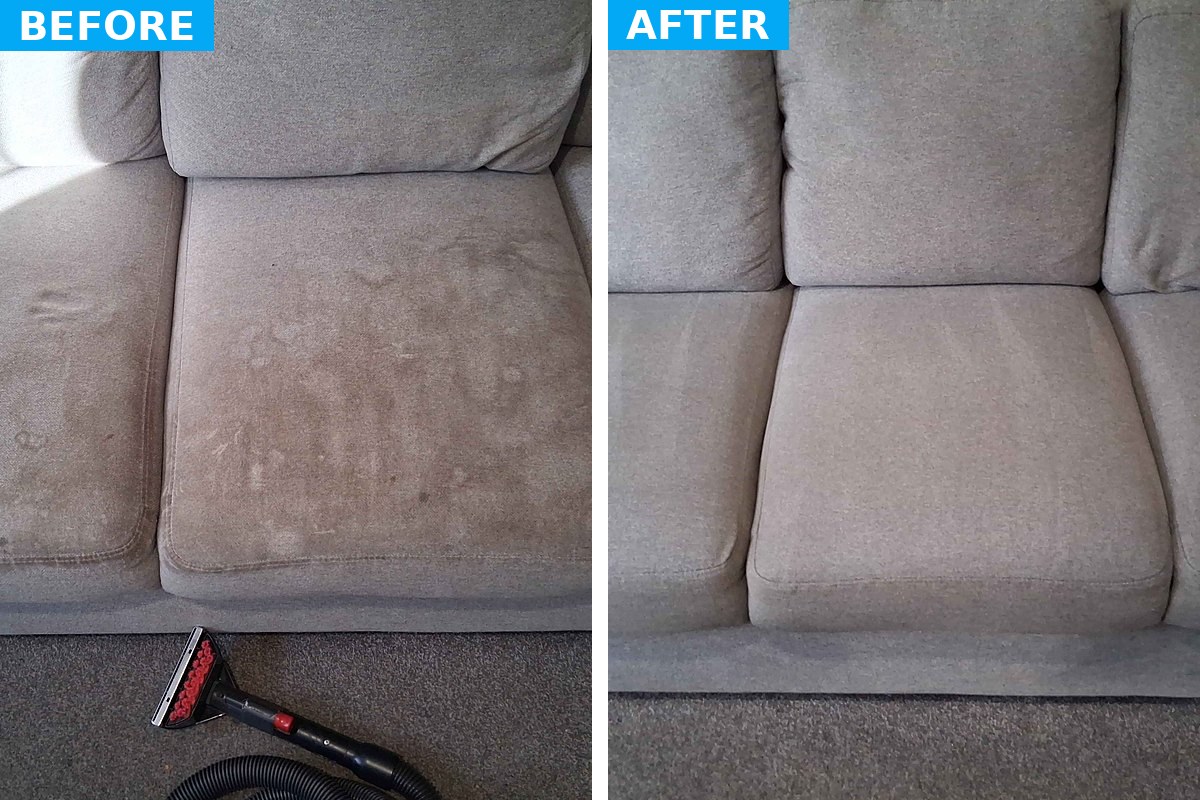
| Situation | Recommended Method |
|---|---|
| Heavily soiled fabric sofas | Steam Cleaning |
| Light routine maintenance | Dry Cleaning |
| Allergy-sensitive households | Steam Cleaning |
| Delicate or vintage fabrics | Dry Cleaning |
| Need fast drying | Dry Cleaning |
| Deep odours or pet stains | Steam Cleaning |
Can You Steam Clean a Couch Yourself?
Yes, and plenty of people do. Whether you should depends on the couch, and on how much you like the couch.
The first thing to do, before anything else, is find the care tag. It is usually under a cushion or on the underside of the frame, and it will have a letter on it:
- W means water based cleaning is fine
- S means solvent only, so no water and no steam
- WS means either will do
- X means vacuum only, and nothing else
If it says S or X, stop there. That is not a couch to experiment on.
If it says W or WS, a domestic steam cleaner will freshen the surface up. Where home jobs usually come unstuck is moisture. A hired machine puts water in more easily than it takes it back out, and upholstery foam holds a lot more water than carpet does. Too much water with not enough suction is how you end up with a couch that smells musty a week later, or a watermark ring around the spot you were trying to fix.
Two things worth doing whatever you use: test on a hidden patch first, like the back or under a cushion, and get air moving over it afterwards. A fan pointed at the couch does more than an open window. There are a few other mistakes worth avoiding on a DIY upholstery clean, and most of them are far easier to prevent than to undo.
How Long Does a Couch Take to Dry?
There is no single number, and anyone who gives you one is guessing. What it actually depends on:
- How much moisture went in. A light refresh and a deep clean on a badly soiled cushion are not the same job.
- The fabric and the filling. A thin woven cover over foam dries far quicker than thick chenille over feather.
- Airflow. The one thing you can most easily change. A fan pointed at the couch beats a window open on a still day.
- Humidity. A humid Brisbane afternoon in February is a different proposition to a dry Melbourne morning in July.

There is a useful rule of thumb from CHOICE, written about carpet but just as true here: if it takes longer than 24 hours to dry, too much water was left in it. Past that point you are into musty smells and the risk of mould, which is the thing a steam clean should never leave you with.
A dry clean is usable much sooner than a steam clean, which is exactly why the method exists. If you need the room back the same evening, say so when you book and it will change what we use.
Common Questions About Cleaning a Couch
Is steam cleaning good for upholstery?
For most fabric couches, yes. It reaches further into the fibres than anything that works on the surface, and because it rinses as it goes there is less left behind afterwards. The exceptions are fabrics that do not want to get wet: silk, some suedes, older or vintage covers, and anything tagged S or X. Leather is its own job again, and a white leather couch in particular needs a different approach.
Is steam cleaning the same as dry cleaning?
No, they are close to opposites. Steam cleaning is hot water and suction. Dry cleaning uses a solvent or a compound with very little water in it. The confusion comes from the words, because a dry clean is not completely dry and a steam clean is not really steam, it is hot water.
Will steam cleaning get rid of pet smells?
Usually, because the smell is normally in the fibres rather than on them, and hot water extraction reaches that far. What it will not fix is something that has soaked through into the foam underneath. If it has got that far the cushion insert may need replacing rather than cleaning, and that is worth knowing before you pay for a clean that cannot solve it.
Does a professional clean damage the fabric?
Not when the method matches the fabric, which is the whole reason the care tag exists. The damage people worry about, shrinking, watermarks and colour running, comes from using water on something that should not have had water on it.
How often should a couch be cleaned?
Once a year for a couch in normal use, or every six months if you have pets, kids, or anyone who eats in front of the telly. What matters just as much is what happens between cleans. The Australasian Society of Clinical Immunology and Allergy recommends vacuuming carpets and sofas weekly as part of reducing dust mite allergens at home, and it also takes out the grit that wears the fabric down.
Still Not Sure Which One You Need?
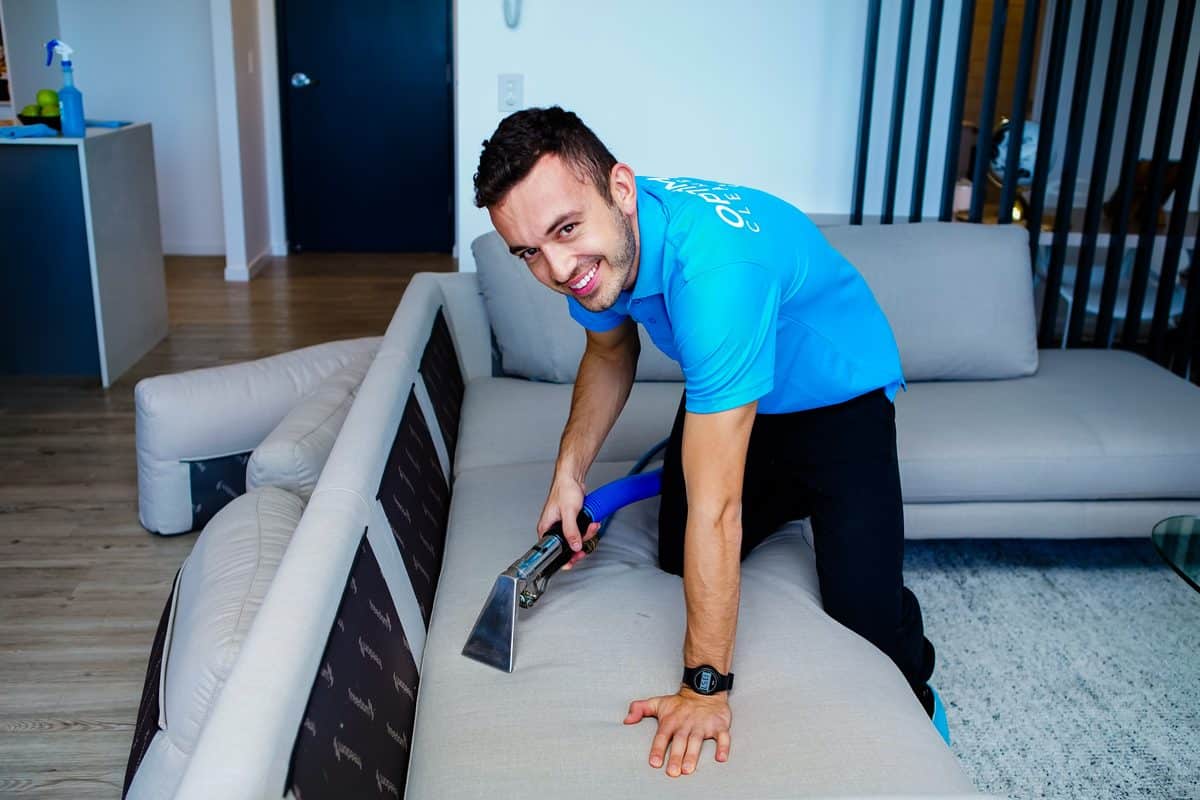
That is a fair place to land, because the right answer does depend on the couch in front of you. If you would rather not guess, our technicians check the fabric and the care tag before anything gets used on it, and they will tell you which method suits and why. You can see what is involved on our upholstery cleaning page.
We clean upholstery across Brisbane, Perth, Melbourne, Sydney, Adelaide, Canberra and the Gold Coast.
Author Profile

- Radoslav is a managing director at Optima Cleaners, but copywriting has been one of his passions for many years. When he's not hunched over his keyboard, you'll find Radoslav exploring quaint bookstores for inspiration or sipping espresso at his favorite local café, always on the hunt for the next big idea to ignite a brand's success. With a pen in one hand and a coffee cup in the other, Radoslav continues to captivate audiences and breathe life into every brand he touches.
Latest entries
 Oven CleaningOctober 6, 2026Built-In or Balcony BBQ? What to Sort Before a Clean
- Upholstery cleaningSeptember 16, 2026Why Your Freshly Cleaned Sofa Might Look Worse
- Oven CleaningSeptember 5, 2026Is a Dirty Oven Dangerous? What Burnt-On Grease Really Does
- Window cleaningJuly 29, 2025Windows and Mirror Cleaning: Professional Secrets from Optima Cleaners

Previously
5 Simple Steps to Keep Your Cowhide Rug Looking Brand New
June 3, 2025
Latest Blog Posts
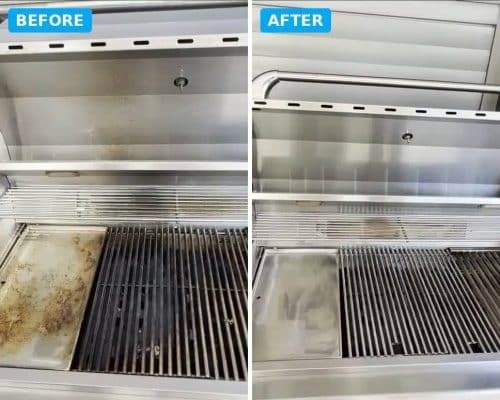
October 6, 2026 - Oven Cleaning
Built-In or Balcony BBQ? What to Sort Before a Clean
Most BBQ cleaning advice assumes a freestanding hooded BBQ on a concrete patio, a few steps from a garden tap....
Read More

September 16, 2026 - Upholstery cleaning
Why Your Freshly Cleaned Sofa Might Look Worse
Why stains reappear after sofa cleaning, what water damage does inside cushion fill, and why a deep clean can look like nothing happened. Four real jobs.

September 5, 2026 - Oven Cleaning
Is a Dirty Oven Dangerous? What Burnt-On Grease Really Does
Most people live with a dirty oven until something forces their hand. Usually that means after a spill has burned...
Read More

July 29, 2025 - Window cleaning
Windows and Mirror Cleaning: Professional Secrets from Optima Cleaners
You know that feeling when you’ve spent twenty minutes scrubbing your bathroom mirror, only to step back and see more...
Read More
July 8, 2025 - Home Cleaning
Essential Australian Home Defense: Protecting Your Property from Our Harshest Elements
Most homeowners think gutter cleaning is about aesthetics or maybe preventing a bit of overflow during a storm. That thinking...
Read More

June 19, 2025 - DIY cleaning, Home Cleaning
What to Clean Before Guests Arrive (And What You Can Totally Ignore)
The text notification pops up on your phone: “Can’t wait to see you this weekend!” Your heart does a little...
Read More

June 3, 2025 - Carpet Cleaning, Home Cleaning
5 Simple Steps to Keep Your Cowhide Rug Looking Brand New
There’s something undeniably captivating about a beautiful cowhide rug. Whether it’s gracing your living room floor with its natural patterns...
Read More
May 16, 2025 - Mattress Cleaning, Upholstery cleaning
Steam Cleaning vs Dry Cleaning for Upholstery: Which Is Better?
If you’ve got a well-loved sofa or an armchair that’s seen a few too many movie nights, chances are you’re...
Read More
May 6, 2025 - Spring cleaning, Tips and tricks
How to stop insects from taking over your home naturally and effectively
Why Insects Invade Your Home in the First Place If you’ve ever spotted a trail of ants across your kitchen...
Read More

April 15, 2025 - Carpet Cleaning, Tips and tricks
6 Methods to Remove Crayon From Your Carpet
It happens in almost every home with small children at some point – that heart-stopping moment when you discover bright...
Read More