


Why Your Freshly Cleaned Sofa Might Look Worse
September 16, 2026 - Upholstery cleaning
Most articles about upholstery cleaning describe the process. This one describes what actually happened on four jobs, starting with why stains reappear after sofa cleaning even when nothing went wrong.
We have done thousands of sofa and upholstery cleans across Brisbane, Perth, Melbourne, Sydney, Adelaide, Canberra and the Gold Coast. The jobs that stay with our technicians are not always the difficult pieces or the expensive furniture. Often they are the cases where something unexpected happened, where a client was confused or frustrated, or where we learned something about fabric behaviour that changed how we handle similar jobs.
Four of those cases are worth writing about.
Job 1: The Stains That Came Back
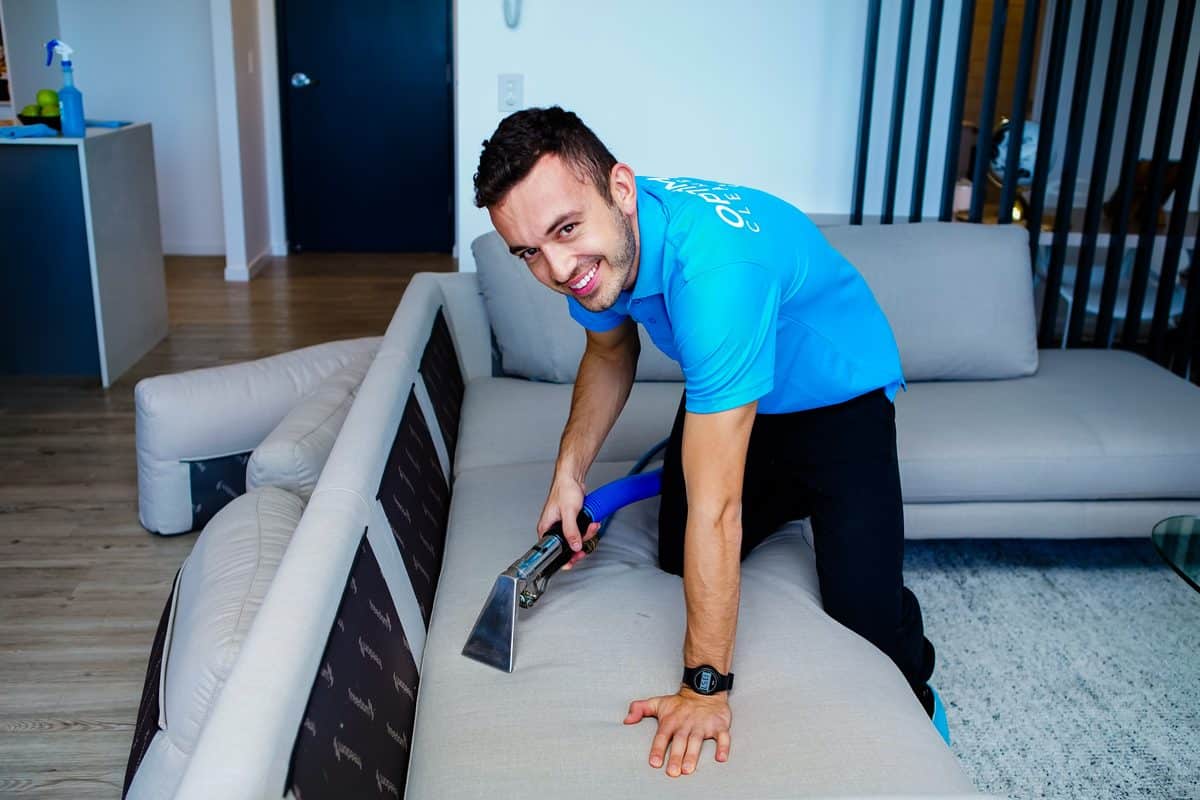
A client in Sydney had a fabric sofa cleaned by a professional service. A few days after the technician left, faint streaks appeared on the seat cushions in the areas that had been treated. He was understandably annoyed. He had paid for a professional clean and the sofa looked worse than before.
Before calling anyone back, he treated the affected areas with white vinegar. He had found this recommended as a home remedy for fabric stains.
When we assessed the job, two things had happened.
The first has a name, and it is in the standard. ANSI/IICRC S300, the industry standard for professional upholstery cleaning, defines wicking as “the migration of liquids within textiles or porous materials to the surface, by capillary action”, and wick back as “soil being deposited on the surface of textile through the action of wicking”.
In plain terms: during extraction, deep seated soil is lifted out of the fill material and the lower fibre layers. As the fabric dries, that loosened soil travels back up with the remaining moisture and is left sitting on the surface. It is not a cleaning error. It is a predictable response on a heavily soiled piece, and it resolves with a follow up extraction once the fabric has dried and the migrated soil is sitting where it can be removed.
The second problem was the vinegar. Acid-based home treatments can set certain soil compounds and alter fabric pH, making follow up extraction harder and in some cases causing colour changes in the treated fibres. That is one reason S300 asks the cleaner to record any “treatments or spotting agents used” at the pre inspection, because what went on the fabric before we arrive changes what we can achieve after.
Home remedies tend not to earn their reputation either. When CHOICE tested DIY cleaning recipes against commercial products, one vinegar based recipe scored 49 per cent overall and another 38 per cent, and both were rated not recommended. By the time we returned we were managing both the original wicking problem and a secondary complication.
The other way a home attempt backfires is over wetting, which drives soil further into the fill instead of lifting it out, and is why S300 tells the cleaner to control pressure and flow rate and to “take precautions not to over-wet” the fabric.
We made three visits to close that job out.
What this means for you
If staining reappears a day or two after a professional clean, do not apply anything to the fabric. Call the service back and describe what you are seeing. Soil migration after extraction is common on heavily soiled pieces and resolves with a return visit. Home treatments applied in the interim can make it significantly harder to fix.
Job 2: The Roof Came Down
In 2022 we received an enquiry from a client in western Sydney. Their roof had partially collapsed in the lounge room, saturating a 4 seater electric recliner and two armchairs. They needed the pieces assessed, cleaned, dried and deodorised as quickly as possible.
Water damage to upholstered furniture is a time problem, and the clock is shorter than most people expect. Under AS-IICRC S500, the Australian standard for water damage restoration, published by Standards Australia in 2025, water is graded by how contaminated it is. That grade is not fixed either. The IICRC notes that “time and temperature can affect or retard the amplification of contaminants, thereby affecting its category”, so water that was safe to handle on the first day is not necessarily safe to handle on the third.
Queensland Health puts the consumer version of the same rule plainly. Porous items that cannot be easily cleaned and “have been wet for more than two days should be thrown out”, and it names mattresses, carpet and leather goods. A cushion pad is exactly that kind of item. The moisture is held inside the fill, not on the surface where you can see it, which is why a sofa can look dry and still be a problem.
The leather look recliner had taken the most saturation. Extraction, drying and deodorising were carried out as quickly as the schedule permitted.
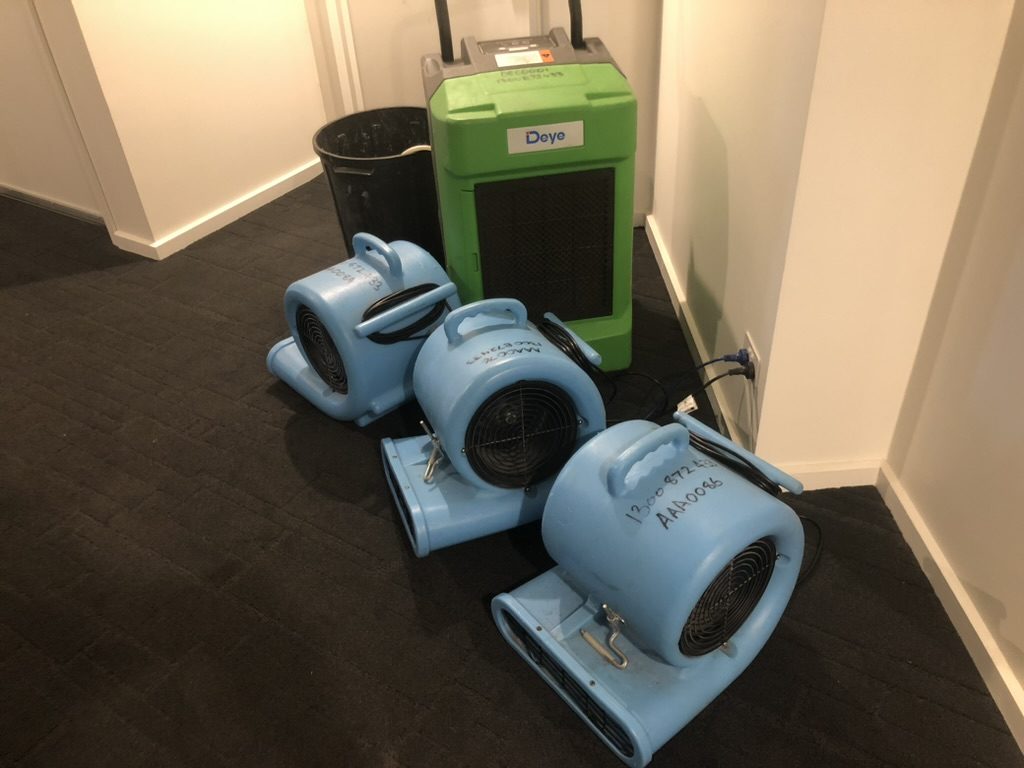
This kind of job comes up more often than most people realise. Roof leaks, burst pipes, failed washing machines, flooding from above in apartment buildings. Where the water came from a clean source and you act inside 24 hours, recovery is usually achievable.
The catch is that you cannot tell by looking. Sewage sits in the worst grade, Category 3, which the IICRC describes as water that is “grossly contaminated and can contain pathogenic, toxigenic or other harmful agents”. So does flooding, and rising water from rivers or streams, and the IICRC lists wind driven rain from storms among the examples too. Category 3 means porous materials including soft furniture come out rather than get cleaned.
Which is why the first job is not cleaning at all, it is working out which category you are actually dealing with. Our water damage restoration team does that before anyone spends money on a clean that will not help.
Job 3: Three Hours of Work the Client Did Not See
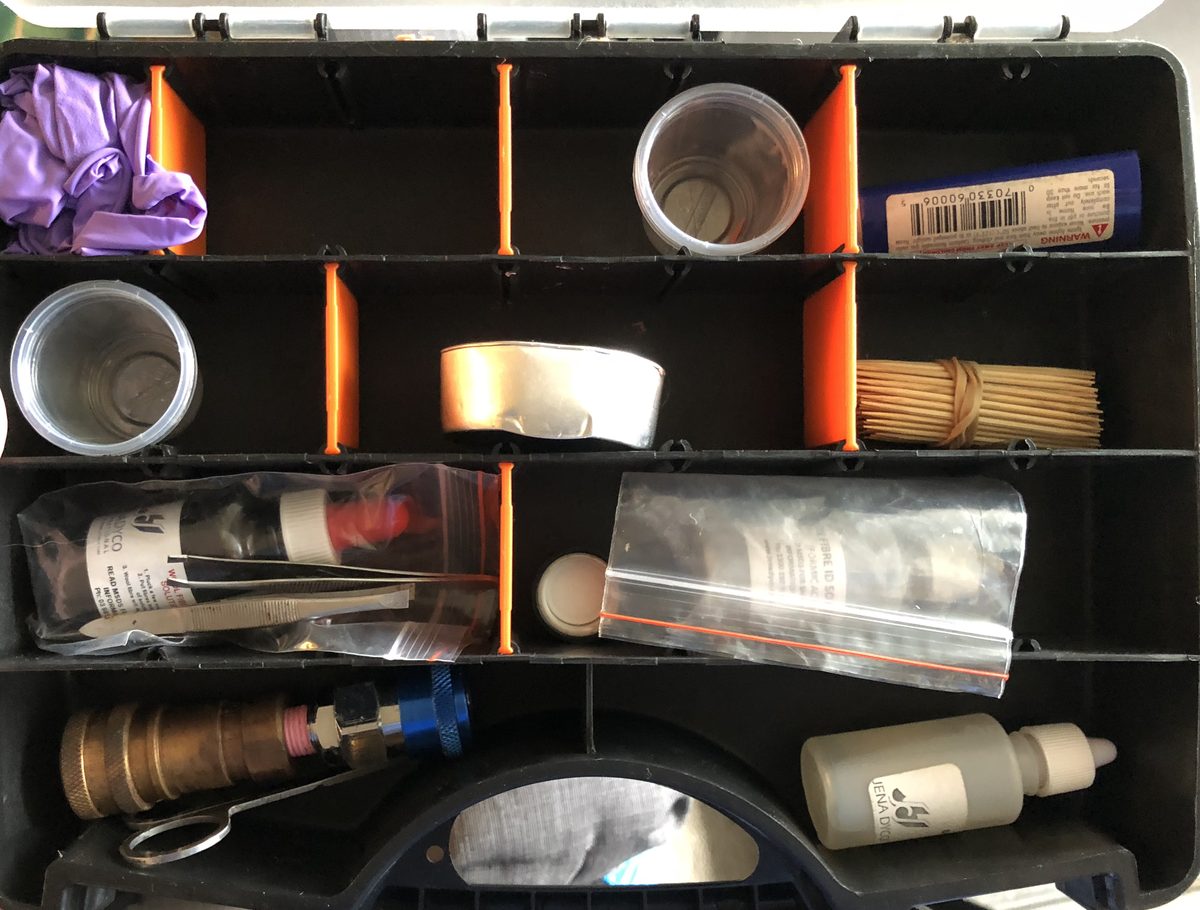
A client in western Sydney booked a premium deep clean for a 5 seater recliner sofa. The technician’s job record shows 3 hours and 16 minutes on site. The checklist covers fibre and pH assessment, general vacuuming, stain and odour treatment, fabric grooming, pre spraying with a non toxic emulsifier, and hot water extraction.
The client called the same day to say the job had felt like “basic vacuuming they could have done themselves”. He noted the corners had not been addressed.
There are three things worth saying.
First: professional upholstery cleaning is largely invisible. The pH assessment, the emulsifier pre spray, the extraction cycle, the odour treatment. None of it looks like cleaning to someone watching from the other side of the room. The soil being removed was not visible to begin with, so its removal does not produce a visually obvious transformation. This is different from, say, a pressure washed driveway where the result is immediately apparent.
Second: on large recliner sofas with fixed side sections and mechanical frames, certain areas are not accessible with extraction equipment without partially disassembling the unit. This is a structural limitation of the furniture, not a decision made on the day.
Third: we should have set these expectations before the technician arrived. What a deep clean does and does not include, where access limitations apply on specific furniture types, and what a realistic outcome looks like on a heavily soiled piece. This case changed how we brief clients before the job.
A note on expectations
If your sofa has a heavy odour, deeply embedded pet hair, or set-in staining, one clean will improve it significantly but may not restore it to showroom condition. We will tell you this before we start, not after. If you have questions about what is achievable on your specific piece, call us and we will give you an honest assessment.
Job 4: The $40 Decision
A client on the Gold Coast had two white Oz Design linen sofas and a cream Nick Scali electric recliner that needed cleaning. She requested a quote. We came back at $489.
She let us know a competitor had quoted $449 and she was going to go with them.
We understood. The gap is $40, both sofas look equally dirty from either quote, and comparing prices on a cleaning job is rational.
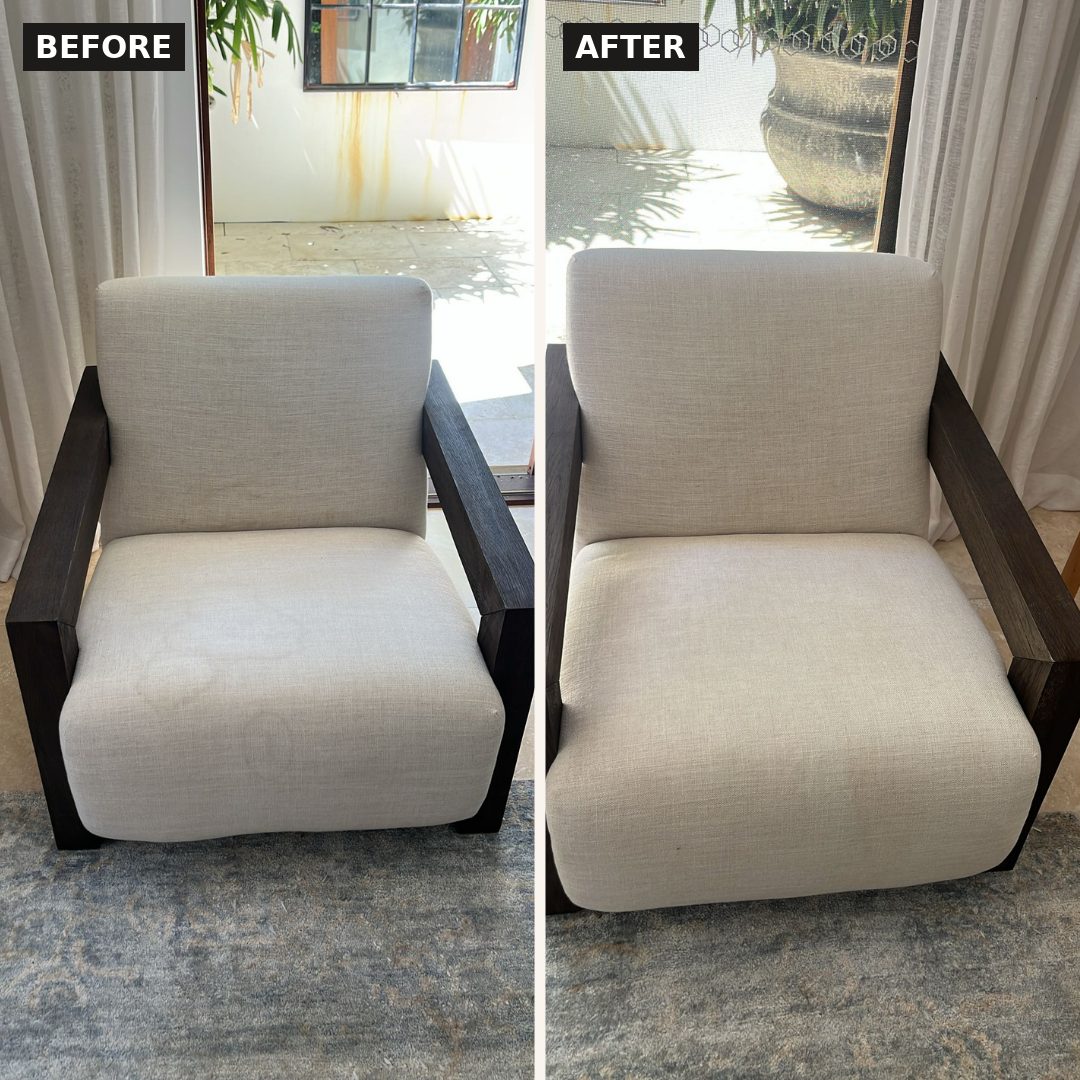
What we can say is that light coloured linen is unforgiving, whoever made the sofa. Linen is a cellulosic fibre, and S300 names over wetting and highly alkaline solutions as causes of cellulosic browning, which it describes as “a yellow, red, or brownish discoloration” produced when the lignin in those fibres is released in the presence of moisture. On a white linen sofa that is not a small error, and it is not always reversible. The cream electric recliner brought its own complications around the mechanical housing.
Whether the cheaper quote used the same products and the same process, we do not know. What we do know is that on certain fabric types, the $40 gap matters a lot less than the chemistry the technician brings to the job.
What the Process Involves
Our technicians assess the fabric type and pH before selecting any product, because chenille, linen, standard weave, leather look and synthetic materials all respond differently to chemistry. S300 asks for the same thing: an inspection of “pre-existing textile or upholstery conditions” and a review of “any posted fabric composition”. If your piece still has its care label, that is the fastest way for us to get it right.
From there the job moves through deep vacuuming, targeted stain and odour treatment, pre spraying with a non toxic emulsifier, fabric grooming and hot water extraction. The key step is extraction. Household products apply chemistry but cannot remove what they break down. Professional extraction removes it.
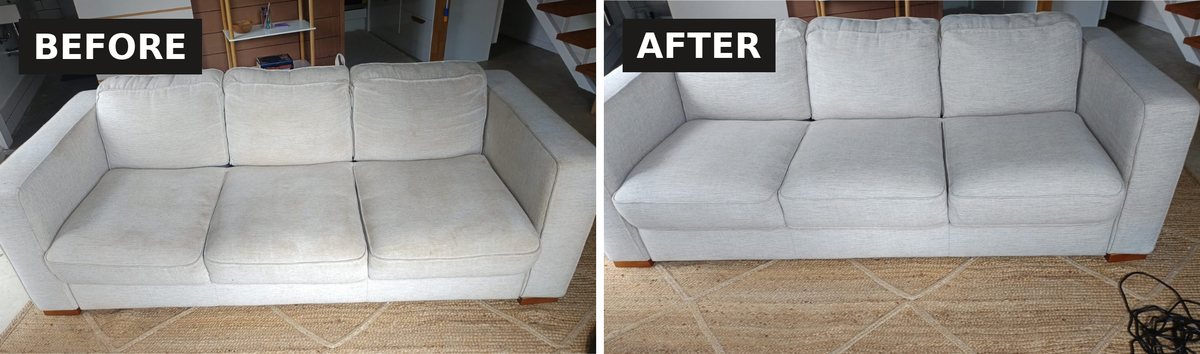
If you are weighing up methods before you book, we have covered steam cleaning versus dry cleaning for upholstery separately, and which upholstery materials are easiest to clean if you are still choosing fabric. Full details of the service are on our upholstery cleaning page.
Frequently Asked Questions
Why do stains reappear after sofa cleaning?
This is wicking, which the S300 standard defines as the migration of liquids within a textile to the surface by capillary action. Soil embedded deep in the fabric rises with the moisture as the piece dries after extraction, and it is more common on heavily soiled pieces. Over wetting makes it worse, because the extra water pushes soil further into the fill rather than lifting it out. A follow up extraction once the fabric has fully dried resolves it. Do not apply any home treatment between the first clean and the return visit.
How urgent is water damage to a sofa?
Very urgent. Queensland Health advises that porous items which cannot easily be cleaned and have been wet for more than two days should be thrown out, and the fill inside a cushion is exactly that kind of item. Call immediately if a sofa has been soaked by a roof leak, burst pipe or similar. Acting inside 24 hours gives the best chance of saving the piece. Do not assume storm water or flood water is clean. Both need assessing before anyone cleans anything, and if the water is graded Category 3, replacement rather than cleaning is the answer.
What fabric types do you work with?
Standard woven fabric, chenille, microfibre, suede, leather look and synthetic materials, and electric recliners with mechanical frames. If your piece has a care label specifying dry clean only or a particular cleaning code, mention it when you book so we bring the right method.
How long before I can sit on the sofa again?
In our experience most upholstery is dry enough to use within two to four hours. S300 notes that drying time varies with the amount of moisture used in cleaning, the fibre and fabric type, and the temperature and humidity on the day, so treat that as a guide rather than a promise. Open windows and run a fan afterwards, which speeds drying and reduces the risk of browning on natural fibres.
Will you return if I am not happy with the result?
Yes. Call us and describe what you are seeing. Soil migration, streaking, or areas that have not responded as expected are things we can address with a return visit. The important thing is to call before applying any home remedy of your own.
Book with Optima
We cover Brisbane, Perth, Melbourne, Sydney, Adelaide, Canberra and the Gold Coast, along with the surrounding suburbs. Book an upholstery clean online or call us directly. Combine it with a carpet and rug clean or a mattress clean for a better rate.
Sources
- ANSI/IICRC S300, Standard for Professional Upholstery Cleaning. The industry standard our technicians are certified against. Source of the definitions of wicking, wick back and cellulosic browning.
- AS-IICRC S500, Standard for Professional Water Damage Restoration. The Australian standard for water damage restoration, published by Standards Australia in 2025.
- IICRC, Category of Water Damage and Weather-related Events. How water is graded by contamination, and why a category can change with time and temperature.
- Queensland Health, Mould after a disaster. Government advice on porous items that have been wet for more than two days.
- CHOICE, DIY cleaning recipe test results. Independent Australian testing of homemade cleaning recipes against commercial products.
Author Profile

- Radoslav is a managing director at Optima Cleaners, but copywriting has been one of his passions for many years. When he's not hunched over his keyboard, you'll find Radoslav exploring quaint bookstores for inspiration or sipping espresso at his favorite local café, always on the hunt for the next big idea to ignite a brand's success. With a pen in one hand and a coffee cup in the other, Radoslav continues to captivate audiences and breathe life into every brand he touches.
Latest entries
 Oven CleaningOctober 6, 2026Built-In or Balcony BBQ? What to Sort Before a Clean
- Upholstery cleaningSeptember 16, 2026Why Your Freshly Cleaned Sofa Might Look Worse
- Oven CleaningSeptember 5, 2026Is a Dirty Oven Dangerous? What Burnt-On Grease Really Does
- Window cleaningJuly 29, 2025Windows and Mirror Cleaning: Professional Secrets from Optima Cleaners
Previously
Built-In or Balcony BBQ? What to Sort Before a Clean
October 6, 2026
Next
Is a Dirty Oven Dangerous? What Burnt-On Grease Really Does
September 5, 2026Latest Blog Posts
October 6, 2026 - Oven Cleaning
Built-In or Balcony BBQ? What to Sort Before a Clean
Most BBQ cleaning advice assumes a freestanding hooded BBQ on a concrete patio, a few steps from a garden tap....
Read More
September 16, 2026 - Upholstery cleaning
Why Your Freshly Cleaned Sofa Might Look Worse
Why stains reappear after sofa cleaning, what water damage does inside cushion fill, and why a deep clean can look like nothing happened. Four real jobs.

September 5, 2026 - Oven Cleaning
Is a Dirty Oven Dangerous? What Burnt-On Grease Really Does
Most people live with a dirty oven until something forces their hand. Usually that means after a spill has burned...
Read More
July 29, 2025 - Window cleaning
Windows and Mirror Cleaning: Professional Secrets from Optima Cleaners
You know that feeling when you’ve spent twenty minutes scrubbing your bathroom mirror, only to step back and see more...
Read More
July 8, 2025 - Home Cleaning
Essential Australian Home Defense: Protecting Your Property from Our Harshest Elements
Most homeowners think gutter cleaning is about aesthetics or maybe preventing a bit of overflow during a storm. That thinking...
Read More

June 19, 2025 - DIY cleaning, Home Cleaning
What to Clean Before Guests Arrive (And What You Can Totally Ignore)
The text notification pops up on your phone: “Can’t wait to see you this weekend!” Your heart does a little...
Read More

June 3, 2025 - Carpet Cleaning, Home Cleaning
5 Simple Steps to Keep Your Cowhide Rug Looking Brand New
There’s something undeniably captivating about a beautiful cowhide rug. Whether it’s gracing your living room floor with its natural patterns...
Read More
May 16, 2025 - Mattress Cleaning, Upholstery cleaning
Steam Cleaning vs Dry Cleaning for Upholstery: Which Is Better?
If you’ve got a well-loved sofa or an armchair that’s seen a few too many movie nights, chances are you’re...
Read More
May 6, 2025 - Spring cleaning, Tips and tricks
How to stop insects from taking over your home naturally and effectively
Why Insects Invade Your Home in the First Place If you’ve ever spotted a trail of ants across your kitchen...
Read More

April 15, 2025 - Carpet Cleaning, Tips and tricks
6 Methods to Remove Crayon From Your Carpet
It happens in almost every home with small children at some point – that heart-stopping moment when you discover bright...
Read More