


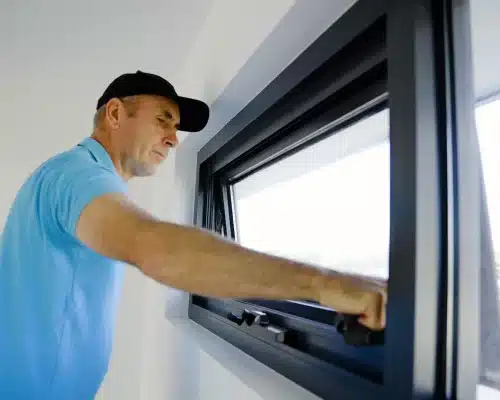
Windows and Mirror Cleaning: Professional Secrets from Optima Cleaners
July 29, 2025 - Window cleaning
You know that feeling when you’ve spent twenty minutes scrubbing your bathroom mirror, only to step back and see more streaks than when you started? Or when you tackle those living room windows on a sunny Saturday morning, armed with newspaper and spray bottle, convinced this time will be different? We’ve all been there. The truth is, there’s a world of difference between the way most people clean glass and how we do it here at Optima Cleaners.
After fifteen years of making Australia’s windows sparkle, we’ve learned that proper glass cleaning is part science, part art, and a whole lot of technique. Most people think it’s simple, but they’re missing the small details that separate a streaky mess from crystal-clear perfection. Today, we’re pulling back the curtain on our methods so you can understand what really goes into professional window and mirror cleaning.
Introduction: Why Professional Window Cleaning Matters
When you hire a professional window cleaning service, you’re not paying for someone to spray and wipe. You’re investing in knowledge that comes from cleaning thousands of windows in every possible condition. The difference between amateur and professional results isn’t luck or expensive equipment, it’s understanding how glass behaves under different circumstances.
Most homeowners approach window cleaning with the same mindset they use for cleaning counter-tops or tables. They spray something on, wipe it off, and hope for the best. This approach might work for solid surfaces, but glass has unique properties that require specific techniques. Light refracts differently through clean glass versus glass with microscopic residue. Even the slightest film can scatter light and create that hazy, streaky appearance that drives people crazy.
Professional window cleaning also prevents long-term damage to your glass surfaces. Improper cleaning techniques can actually scratch glass over time, especially when people use the wrong tools or don’t properly remove gritty debris before cleaning. We’ve seen expensive replacement windows damaged by well-meaning homeowners using abrasive materials or harsh chemicals.
Essential Professional Tools and Equipment
The squeegee is the heart of professional window cleaning, but not all squeegees are created equal. A quality squeegee has a brass or stainless steel channel that holds a precise rubber blade. The rubber needs to be soft enough to conform to the glass surface but firm enough to maintain contact pressure. We replace our squeegee rubbers regularly because even small nicks or hardened sections will leave streaks.
Size matters too. Different window sizes require different squeegee widths. A 12-inch squeegee works perfectly for standard residential windows, but trying to use it on a large picture window will create more problems than it solves. For mirrors and smaller panes, we often use 6-inch squeegees that give us better control in tight spaces.
Microfibre cloths have revolutionised glass cleaning, but they’re not all the same. The weave pattern and fibre density affect how well they absorb water and remove residue. We use different microfibre cloths for different stages of the cleaning process. Some are designed for initial wiping and debris removal, while others are specifically made for final polishing.
Professional cleaning solutions are formulated differently than household glass cleaners. Most consumer products contain ingredients that leave behind residue, even if they claim to be streak-free. Our solutions contain surfactants that break surface tension and allow water to sheet off glass instead of beading up. This chemical difference is crucial for achieving truly streak-free results.
Scrapers might seem aggressive, but when used properly, they’re essential for removing stubborn debris without scratching. The key is using fresh, sharp blades and maintaining the correct angle. We never scrape dry glass, and we always follow up with proper cleaning to remove any particles the scraper loosened.
The Optima Method: Our Step-by-Step Process
Before we touch a single piece of glass, we assess the situation. Different types of soil require different approaches. Paint overspray needs scraping. Hard water deposits need acid-based solutions. Everyday dust and grime respond well to our standard alkaline cleaners. This assessment prevents us from making problems worse by using the wrong technique.
The wetting stage is where most people go wrong. They spray a small area and immediately start wiping, but proper technique requires thoroughly saturating the entire surface. This prevents the cleaning solution from drying before we can remove it properly. In Brisbane’s climate, this timing becomes even more critical during hot, windy days.
Squeegee technique looks simple but requires practice to master. The blade needs to maintain contact with the glass at approximately 22 degrees. Too steep and you’ll leave water behind. Too shallow and you’ll create streaks. The pressure should be firm but not excessive. We start at the top and work down in overlapping strokes, always finishing with a complete bottom-to-top pull to remove any remaining water.
Edge detailing separates professional work from amateur attempts. After squeegeeing, we use absorbent cloths to remove water from window frames and sills. Any water left behind will drip down and create streaks on freshly cleaned glass. This final step often takes as long as the actual squeegee work, but it’s what creates that perfect finish.

Professional Cleaning Solutions and Chemistry
The chemistry of glass cleaning is more complex than most people realise. Water alone won’t remove the oils, dust, and atmospheric pollutants that accumulate on windows. These contaminants have different molecular structures and require specific chemicals to break them down effectively.
Surfactants are the workhorses of professional glass cleaners. They reduce water’s surface tension, allowing it to penetrate and dissolve soil more effectively. But the type and concentration of surfactants matter enormously. Too much and you’ll leave residue. Too little and you won’t get proper cleaning action. Our solutions are precisely formulated for different cleaning situations.
Hard water stains require acid-based cleaners that can dissolve mineral deposits. However, these acids can damage window frames, weatherstripping, and surrounding surfaces if not used carefully. We use buffered acids that are strong enough to remove deposits but gentle enough to protect adjacent materials. The key is knowing when to use them and how to neutralise them afterward.
Many clients ask about eco-friendly options, and we’ve developed effective green cleaning protocols that work remarkably well. Plant-based surfactants and naturally derived acids can achieve professional results without environmental concerns. The trade-off is usually longer contact time and sometimes multiple applications, but the results speak for themselves.
Advanced Techniques for Challenging Situations
Mirror cleaning requires special consideration because mirrors have reflective backing that can be damaged by moisture or harsh chemicals. We never allow cleaning solution to seep behind the mirror surface, and we use techniques that minimise moisture exposure around edges. The cleaning motion is also different, mirrors require more precise control to avoid creating swirl marks in the reflective coating.
Tinted windows present unique challenges because the film can be damaged by certain chemicals and scraping techniques. We always test cleaning solutions in inconspicuous areas first and use specialised tools designed for filmed glass. The tinting also affects how we see our progress, making it harder to spot missed areas during cleaning.
Cleaning in direct sunlight creates problems because solutions dry too quickly, leaving residue behind. When we can’t avoid sunny conditions, we modify our techniques by working in smaller sections and using solutions with slower evaporation rates. Sometimes we’ll even spray down the glass with plain water first to lower the surface temperature.
Interior and exterior surfaces accumulate different types of soil and require different approaches. Interior glass typically has fingerprints, cooking residue, and dust. Exterior surfaces deal with weather deposits, pollution, and organic matter. We adjust our cleaning chemistry and techniques accordingly, which is why exterior cleaning often takes longer than interior work.
Weather and Timing Considerations
Brisbane’s subtropical climate creates specific challenges for window cleaning. High humidity can prevent proper drying, while sudden temperature changes can cause thermal shock in large glass panels. We’ve learned to read weather conditions and adjust our scheduling and techniques accordingly.
The best conditions for window cleaning are overcast days with mild temperatures and low wind. These conditions give us maximum working time before solutions dry and create streaks. However, we can’t always wait for perfect weather, so we’ve developed techniques for working in less-than-ideal conditions.
Seasonal maintenance schedules depend on your specific location and exposure. Windows facing prevailing winds need more frequent cleaning because they accumulate more atmospheric soil. Properties near construction sites or heavy traffic require different maintenance intervals than those in residential areas.
After severe weather events, windows often need immediate attention. Storm debris can scratch glass if left in place, and certain atmospheric conditions can leave deposits that become permanent if not addressed quickly. We offer emergency cleaning services because we understand that timing can be critical for protecting your investment.
Maintaining Equipment and Extending Results
Professional results depend on well-maintained equipment. Squeegee blades develop tiny nicks and grooves that will streak even perfectly clean glass. We inspect and replace blades regularly, sometimes daily during heavy use periods. A blade that worked perfectly yesterday might create problems today if it’s picked up damage from debris or rough handling.
Microfibre cloths lose their effectiveness when they become saturated with soil or damaged by harsh chemicals. We have strict protocols for washing and maintaining our cloths because contaminated cleaning materials will defeat even perfect technique. Some soil types, like certain adhesives or sealants, can permanently damage microfibre and require cloth replacement.
Client education plays a crucial role in maintaining clean windows between professional services. Simple practices like avoiding touching glass surfaces and promptly cleaning up spills can extend the time between professional cleanings significantly. We provide specific guidance based on each property’s unique challenges and usage patterns.
Protective treatments and coatings can dramatically reduce maintenance requirements, but they must be applied and maintained properly. These products create a molecular barrier that prevents soil adhesion and makes future cleaning easier. However, they’re not permanent solutions and require periodic reapplication to maintain effectiveness.
Common Problems and Professional Solutions
Streak diagnosis requires understanding what causes different types of marks on glass. Water spots come from mineral deposits in the water. Smearing usually indicates inadequate cleaning or contaminated tools. Film build-up happens when cleaning products leave residue behind. Each problem requires a specific solution, and using the wrong approach often makes things worse.
Hard water marks are particularly problematic in Brisbane because our water has high mineral content. Prevention involves understanding water chemistry and using appropriate cleaning solutions that don’t interact negatively with local water conditions. Once hard water deposits form, they require acid treatment followed by protective measures to prevent recurrence.
Screen cleaning affects window maintenance because dirty screens re-contaminate clean windows through rain and wind action. We include screen cleaning in our comprehensive service because it’s an essential part of long-term window maintenance. Screens require different techniques and solutions than glass surfaces.
Frame and sill maintenance protects the window system and prevents problems that can affect glass cleaning. Damaged weatherstripping allows water infiltration that can create staining and deterioration. Regular frame maintenance prevents these issues and extends the life of both the window system and glass surfaces.
Business Insights: Why Hire Professionals
The time investment for proper window cleaning is substantial, especially when you factor in equipment preparation, actual cleaning, and clean-up. Most people underestimate how long quality window cleaning takes because they don’t account for all the steps involved in professional-grade results. What might seem like a quick Saturday morning project often stretches into an entire day of frustration.
Safety considerations become critical for multi-story buildings or hard-to-reach windows. Professional window cleaners have specialised equipment and training for working at heights safely. The insurance and liability issues alone make professional service worthwhile for many situations. We’ve seen too many accidents happen when people attempt to clean high or difficult windows themselves.
Long-term glass preservation requires understanding how different cleaning methods affect glass surfaces over time. Improper techniques can cause permanent damage that reduces property value and requires expensive replacement. Professional cleaning protects your investment by using methods that clean effectively without causing long-term harm.
The hidden costs of DIY mistakes include replacement glass, damaged frames, and wasted time. We regularly see properties where amateur cleaning attempts have created problems that cost far more to fix than professional cleaning would have cost initially. When you consider the risk of damage, the cost of proper equipment, and the value of your time, professional service often provides better value than DIY approaches.

Why Optima Cleaners Makes the Difference
Professional window and mirror cleaning combines technical knowledge, proper equipment, and refined technique in ways that are difficult to replicate without extensive experience. The methods we’ve shared here represent years of learning what works in Brisbane’s unique conditions, and we continue refining our approaches as new products and techniques become available.
Understanding these professional secrets helps you appreciate the complexity behind what might appear to be a simple service. Whether you choose to apply these techniques yourself or hire professionals, knowing what proper window cleaning involves will help you achieve better results and protect your glass surfaces for years to come.
At Optima Cleaners, we believe informed clients make better decisions about their property maintenance. These insights into our methods reflect our commitment to transparency and quality service that has made us Brisbane’s trusted choice for professional window cleaning services.
Want to explore more professional cleaning insights? Check out our guide on “Pressure Washing vs. Soft Washing” to learn about exterior cleaning methods that complement sparkling clean windows. And if you’re interested in tackling indoor cleaning challenges, our “Oven Cleaning Hacks” blog shares professional techniques you can use at home.
Author Profile

- Radoslav is a managing director at Optima Cleaners, but copywriting has been one of his passions for many years. When he's not hunched over his keyboard, you'll find Radoslav exploring quaint bookstores for inspiration or sipping espresso at his favorite local café, always on the hunt for the next big idea to ignite a brand's success. With a pen in one hand and a coffee cup in the other, Radoslav continues to captivate audiences and breathe life into every brand he touches.
Latest entries
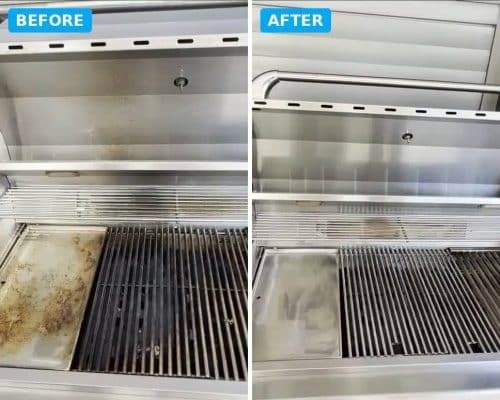 Oven CleaningOctober 6, 2026Built-In or Balcony BBQ? What to Sort Before a Clean
 Upholstery cleaningSeptember 16, 2026Why Your Freshly Cleaned Sofa Might Look Worse
 Oven CleaningSeptember 5, 2026Is a Dirty Oven Dangerous? What Burnt-On Grease Really Does
- Window cleaningJuly 29, 2025Windows and Mirror Cleaning: Professional Secrets from Optima Cleaners

Previously
Is a Dirty Oven Dangerous? What Burnt-On Grease Really Does
September 5, 2026
Latest Blog Posts
October 6, 2026 - Oven Cleaning
Built-In or Balcony BBQ? What to Sort Before a Clean
Most BBQ cleaning advice assumes a freestanding hooded BBQ on a concrete patio, a few steps from a garden tap....
Read More
September 16, 2026 - Upholstery cleaning
Why Your Freshly Cleaned Sofa Might Look Worse
Why stains reappear after sofa cleaning, what water damage does inside cushion fill, and why a deep clean can look like nothing happened. Four real jobs.
September 5, 2026 - Oven Cleaning
Is a Dirty Oven Dangerous? What Burnt-On Grease Really Does
Most people live with a dirty oven until something forces their hand. Usually that means after a spill has burned...
Read More
July 29, 2025 - Window cleaning
Windows and Mirror Cleaning: Professional Secrets from Optima Cleaners
You know that feeling when you’ve spent twenty minutes scrubbing your bathroom mirror, only to step back and see more...
Read More
July 8, 2025 - Home Cleaning
Essential Australian Home Defense: Protecting Your Property from Our Harshest Elements
Most homeowners think gutter cleaning is about aesthetics or maybe preventing a bit of overflow during a storm. That thinking...
Read More

June 19, 2025 - DIY cleaning, Home Cleaning
What to Clean Before Guests Arrive (And What You Can Totally Ignore)
The text notification pops up on your phone: “Can’t wait to see you this weekend!” Your heart does a little...
Read More

June 3, 2025 - Carpet Cleaning, Home Cleaning
5 Simple Steps to Keep Your Cowhide Rug Looking Brand New
There’s something undeniably captivating about a beautiful cowhide rug. Whether it’s gracing your living room floor with its natural patterns...
Read More
May 16, 2025 - Mattress Cleaning, Upholstery cleaning
Steam Cleaning vs Dry Cleaning for Upholstery: Which Is Better?
If you’ve got a well-loved sofa or an armchair that’s seen a few too many movie nights, chances are you’re...
Read More
May 6, 2025 - Spring cleaning, Tips and tricks
How to stop insects from taking over your home naturally and effectively
Why Insects Invade Your Home in the First Place If you’ve ever spotted a trail of ants across your kitchen...
Read More

April 15, 2025 - Carpet Cleaning, Tips and tricks
6 Methods to Remove Crayon From Your Carpet
It happens in almost every home with small children at some point – that heart-stopping moment when you discover bright...
Read More