


How to stop insects from taking over your home naturally and effectively
May 6, 2025 - Spring cleaning, Tips and tricks
Why Insects Invade Your Home in the First Place
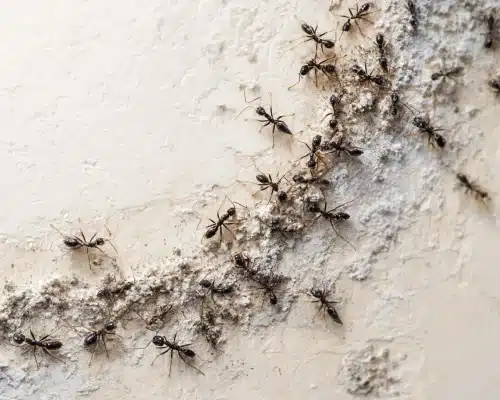
If you’ve ever spotted a trail of ants across your kitchen bench or found a spider lurking in the bathroom, you’re not alone. Homes offer insects exactly what they want: warmth, food, water, and shelter. And they’re not picky about whether you invited them in or not. The tiniest crumbs, unnoticed drips, or even just a cosy hiding spot behind the skirting board can be enough to attract a whole host of creepy crawlies.
It’s not just untidiness, either. Even the cleanest homes can be a magnet for bugs if the conditions are right. Seasonal changes play a big role too. When the weather turns cold, insects go looking for warmth. In the heat, they search for water. So your house quickly becomes a year-round hotel unless you do a few things to let them know the welcome mat isn’t out.
Spot the Signs Before It Becomes a Problem
Catching insect activity early can save you from a much bigger job down the track. If you’re noticing strange little black specs near windows or along the skirting, chances are you’re looking at droppings. Hearing a faint scuttling noise at night? Might be cockroaches on the move. Even tiny holes in pantry packaging can be a dead giveaway for weevils or moths.
The trick is to stay observant. Trust your instincts if something feels a bit off. Sticky traps tucked behind appliances can help you confirm what kind of bug you’re dealing with, but don’t wait too long to act. Insects reproduce quickly, and a few today can turn into a full-blown invasion by next week.
Start with a Clean Slate
Now, don’t panic. This isn’t about scrubbing every inch of your house from top to bottom daily. But a regular, mindful clean does wonders. Insects are scavengers. They live off scraps and leftovers. That tiny bit of toast crust under the toaster might be nothing to you, but to ants, it’s like a five-star meal.
Make a habit of wiping down surfaces, especially in the kitchen and bathroom. Food spills, crumbs, sticky spots – all of these are insect magnets. Pay attention to places you usually skip over. Behind the fridge, under the microwave, around the rubbish bin. They love a forgotten corner.
And it’s not just about what’s visible. Check cupboards and drawers for signs of infestation. Rotate your pantry stock now and then. You’d be surprised how many bugs find their way into sealed items that’ve been sitting around a bit too long.
If things have gotten a bit out of hand or you just want a fresh start, you can always call in some reinforcements. A professional clean can make a big difference, especially in those tricky corners most people avoid. That’s where a service like Optima Cleaners comes in handy. Whether it’s a full deep clean or just a targeted treatment for problem areas, they can help you reset your home and keep things pest-free from the ground up.

Seal the Deal: Blocking Their Entry Points
You’d be amazed how creative insects can be about getting into your house. Tiny cracks, holes around pipes, gaps in windows – they’ll find their way in without a second thought. One of the best things you can do is a bit of detective work around your house.
Look closely at door frames, window sills, and anywhere two materials meet. If you can see daylight through a gap, a bug can fit through it. Caulk and sealant are your best friends here. You don’t need to be a DIY expert either. A bit of filler and a steady hand will go a long way.
Don’t forget vents and drains. These are often overlooked but can act like an open door for insects. Installing fine mesh covers over vents and ensuring drains are clean and covered can make a big difference.
Natural Ways to Repel Unwanted Guests
If the thought of harsh chemical sprays makes you uncomfortable, you’re in luck. There are plenty of natural solutions that actually work. Insects have sensitive little noses and there are a bunch of smells they just can’t stand.
Peppermint oil, for example, works a treat on ants and spiders. Mix a few drops with water in a spray bottle and spritz it around windows, doorways, and anywhere you’ve seen activity. Lavender, eucalyptus, and citronella are great too, and they leave your home smelling fresh rather than fumey.
You can also make up simple DIY sprays with vinegar and water. It doesn’t smell amazing at first, but it fades quickly and bugs really don’t like it. For cupboards or places you don’t want to spray, tuck in a few dried bay leaves. They’ve been used for centuries to keep moths and weevils away, and they work just as well now.
Tidy Up the Outdoors to Protect the Indoors
What’s going on outside your home has a big impact on what ends up inside. If you’ve got overgrown bushes, long grass, or piles of wood sitting too close to the house, you’re basically offering a hiding spot for bugs right near your entryways.
Keep the garden trimmed and clear. Try not to let mulch or leaves build up near walls or windows. These moist, shaded areas are perfect nesting zones. Make sure bins have tight-fitting lids and are kept a good distance from doors if you can.
One thing many people overlook is lighting. Bright lights at the front door attract moths and other flying insects. Try switching to yellow-toned bulbs or installing motion-activated lights so they’re not on all night long.
When You Need Backup: Calling in the Pros
Sometimes, despite your best efforts, the bugs still win a few battles. That’s when it’s time to consider calling in some extra help. There’s no shame in it – some infestations are just too stubborn or deep-rooted to tackle solo.
If you’re leaning towards professional pest control, look for providers who specialise in natural or low-tox solutions. A lot of modern services now focus on methods that are safer for pets, kids, and the environment. It’s worth asking a few questions upfront: what products do they use? How long before the home is safe to re-enter? Do they offer preventative treatments?
Don’t wait too long if you’re feeling overwhelmed. The sooner a pro gets involved, the less damage you’ll have to worry about. And you might be surprised how affordable some treatments are compared to the time and stress of fighting it alone.

Keeping Your Home Bug-Free All Year Long
Once you’ve done all the hard work of getting rid of the bugs, the goal is to stop them coming back. That means building a bit of pest prevention into your usual home care routine. It doesn’t have to be a huge job – just a few small habits that you stick to regularly.
In spring and summer, focus on keeping food sealed, bins emptied, and windows screened. During autumn and winter, check for cracks or leaks that might be inviting guests in from the cold. Try setting a reminder every couple of months to walk around the house and check for new gaps or signs of activity.
It’s also a good idea to refresh your natural repellents now and then. Oils wear off, bay leaves lose their scent, and bugs eventually get brave again. A quick spritz or swap-out keeps the message clear: this house is not open for business.
Final Thoughts: Peace of Mind Without the Chemicals
Living with insects doesn’t have to be your new normal. With a little attention and some natural know-how, you can create a home that feels calm, clean, and most importantly, bug-free. It’s not about perfection. It’s about being a bit proactive and knowing that every little step makes your space just a bit more comfortable.
So next time you see a stray ant or hear a buzzing you’d rather not investigate, take a breath. You’ve got the tools to deal with it – and without turning your house into a chemical war zone. Just keep at it, trust the process, and enjoy the kind of peace only a bug-free home can bring.
If you’re ready to give your space a proper refresh or you’d rather hand the job over to someone who knows their way around a deep clean, give Optima Cleaners a ring. We’re locals, we care about what we do, and we’re here to help your home feel fresh, tidy, and completely pest-free.
Author Profile

- Radoslav is a managing director at Optima Cleaners, but copywriting has been one of his passions for many years. When he's not hunched over his keyboard, you'll find Radoslav exploring quaint bookstores for inspiration or sipping espresso at his favorite local café, always on the hunt for the next big idea to ignite a brand's success. With a pen in one hand and a coffee cup in the other, Radoslav continues to captivate audiences and breathe life into every brand he touches.
Latest entries
 Oven CleaningOctober 6, 2026Built-In or Balcony BBQ? What to Sort Before a Clean
- Upholstery cleaningSeptember 16, 2026Why Your Freshly Cleaned Sofa Might Look Worse
- Oven CleaningSeptember 5, 2026Is a Dirty Oven Dangerous? What Burnt-On Grease Really Does
- Window cleaningJuly 29, 2025Windows and Mirror Cleaning: Professional Secrets from Optima Cleaners

Previously
Steam Cleaning vs Dry Cleaning for Upholstery: Which Is Better?
May 16, 2025
Next
6 Methods to Remove Crayon From Your Carpet
April 15, 2025Latest Blog Posts
October 6, 2026 - Oven Cleaning
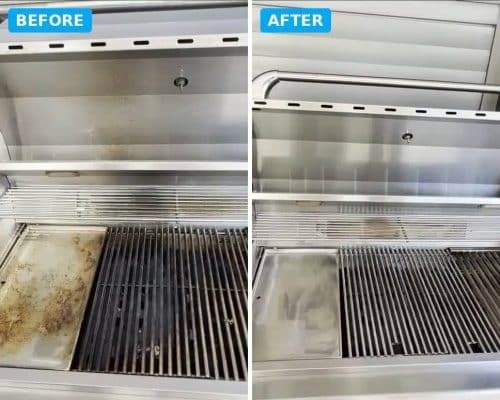
Built-In or Balcony BBQ? What to Sort Before a Clean
Most BBQ cleaning advice assumes a freestanding hooded BBQ on a concrete patio, a few steps from a garden tap....
Read More

September 16, 2026 - Upholstery cleaning
Why Your Freshly Cleaned Sofa Might Look Worse
Why stains reappear after sofa cleaning, what water damage does inside cushion fill, and why a deep clean can look like nothing happened. Four real jobs.

September 5, 2026 - Oven Cleaning
Is a Dirty Oven Dangerous? What Burnt-On Grease Really Does
Most people live with a dirty oven until something forces their hand. Usually that means after a spill has burned...
Read More

July 29, 2025 - Window cleaning
Windows and Mirror Cleaning: Professional Secrets from Optima Cleaners
You know that feeling when you’ve spent twenty minutes scrubbing your bathroom mirror, only to step back and see more...
Read More
July 8, 2025 - Home Cleaning
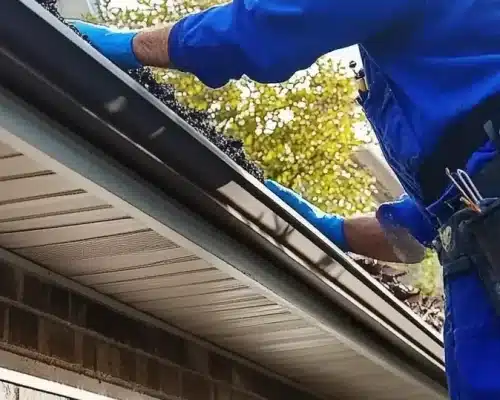
Essential Australian Home Defense: Protecting Your Property from Our Harshest Elements
Most homeowners think gutter cleaning is about aesthetics or maybe preventing a bit of overflow during a storm. That thinking...
Read More

June 19, 2025 - DIY cleaning, Home Cleaning
What to Clean Before Guests Arrive (And What You Can Totally Ignore)
The text notification pops up on your phone: “Can’t wait to see you this weekend!” Your heart does a little...
Read More

June 3, 2025 - Carpet Cleaning, Home Cleaning
5 Simple Steps to Keep Your Cowhide Rug Looking Brand New
There’s something undeniably captivating about a beautiful cowhide rug. Whether it’s gracing your living room floor with its natural patterns...
Read More
May 16, 2025 - Mattress Cleaning, Upholstery cleaning
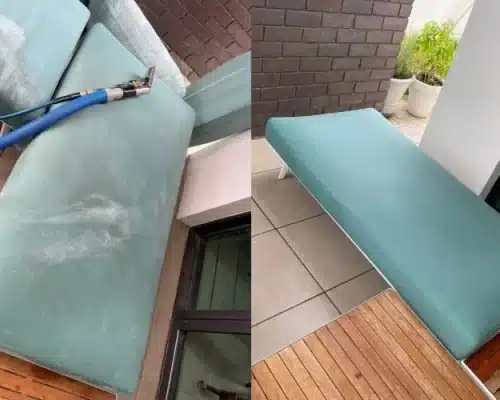
Steam Cleaning vs Dry Cleaning for Upholstery: Which Is Better?
If you’ve got a well-loved sofa or an armchair that’s seen a few too many movie nights, chances are you’re...
Read More
May 6, 2025 - Spring cleaning, Tips and tricks
How to stop insects from taking over your home naturally and effectively
Why Insects Invade Your Home in the First Place If you’ve ever spotted a trail of ants across your kitchen...
Read More

April 15, 2025 - Carpet Cleaning, Tips and tricks
6 Methods to Remove Crayon From Your Carpet
It happens in almost every home with small children at some point – that heart-stopping moment when you discover bright...
Read More