


6 Methods to Remove Crayon From Your Carpet
April 15, 2025 - Carpet Cleaning, Tips and tricks
It happens in almost every home with small children at some point – that heart-stopping moment when you discover bright streaks of crayon across your carpet. Whether it was an artistic adventure gone wrong or simply a forgotten crayon that found its way under a foot, crayon marks on carpet can feel like a permanent reminder of your little one’s creativity.
This guide covers six ways to get crayon out of carpet, from a fresh mark to melted crayon that has been walked in and heat set. The same methods work on a rug, and there is a note near the end on when crayon stains are worth handing to a professional.
Crayon stains present a unique challenge because they contain both waxy substances and colourful pigments that bond to carpet fibres. The combination of these elements makes them particularly stubborn to remove, especially if they’ve had time to set in or if heat (like sunlight or a warm room) has caused the wax to melt further into the fibres.
But before you consider replacing your carpet or strategically rearranging furniture to hide the evidence, take heart. With the right techniques and a bit of patience, you can successfully remove crayon marks from your carpet and restore it to its former glory. This guide will walk you through multiple proven methods, starting with the gentlest approaches and progressing to more powerful solutions for stubborn stains.
Understanding the Challenge of Crayon Stains
To effectively tackle crayon stains, it helps to understand what you’re dealing with. Crayons are primarily made of paraffin wax mixed with color pigments. When crayon marks end up on your carpet, you’re facing a two-part problem: the waxy base that adheres to carpet fibres and the colored pigments that stain them.
Different carpet types respond differently to cleaning methods. Natural fiber carpets like wool or cotton are more delicate and may require gentler approaches, while synthetic fibres such as nylon, polyester, or olefin often withstand more aggressive cleaning techniques. The length and density of carpet pile also affect which methods work best – deep pile carpets may trap crayon particles more thoroughly, requiring more persistent treatment.
Temperature plays an important role in crayon removal as well. Since crayons are wax-based, they respond to both heat (which melts the wax, making it transferable) and cold (which hardens the wax, making it breakable). We’ll leverage both of these properties in our removal strategies.
Crayon on a couch or an armchair is a related but different job. Upholstery fabric is usually more delicate than carpet and will not take the same heat or scrubbing, so if that is what you are looking at, start with our upholstery cleaning page instead.
What to Do Before You Get Crayon Out of Carpet
Before diving into any removal method, proper preparation will help ensure success while protecting your carpet from damage:
Crayola’s own stain advice starts the same way: scrape off as much crayon as you can with a dull knife or a metal spoon before anything wet goes near it. Lifting the loose wax first is what stops the next step spreading the pigment further into the fibres.
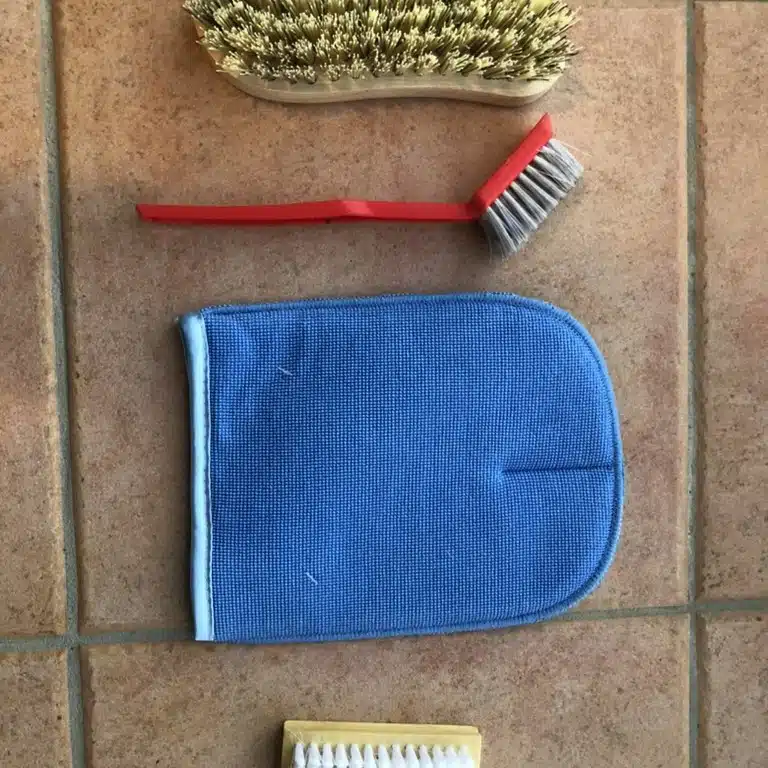
First, gather all necessary supplies based on which method you plan to try. Having everything on hand before you start prevents half-finished cleanup attempts that can sometimes make matters worse.
Always test your chosen removal method in an inconspicuous area of your carpet first, such as inside a closet or under furniture. This precaution helps ensure the cleaning solution won’t discolor your carpet or cause other damage.
Try to address crayon marks as soon as you discover them. Fresh stains haven’t had time to set into fibres and are generally easier to remove. However, even old, set-in crayon marks can be tackled with the right approach.
Remove any loose crayon pieces by gently scraping the surface with a butter knife or credit card. Be careful not to push the crayon further into the fibres – the goal is just to remove any excess material sitting on top of the carpet.
Method 1: Heat and Absorption, for Melted Crayon
The heat and absorption method works with the wax’s natural properties by melting it so it can be absorbed by paper.
Materials Needed:
- Plain brown paper bag or white paper towels
- Clothing iron
- Vacuum cleaner
Steps:
- Place the paper bag or several layers of paper towels over the crayon stain.
- Set your iron to a low or medium heat setting with NO steam.
- Gently press the warm iron onto the paper for about 10-15 seconds.
- Check the paper to see if wax is transferring.
- Reposition the paper to use a clean section or replace it when it shows waxy residue.
- Continue this process until no more wax transfers to the paper.
- Vacuum the area to remove any remaining loose particles.
- If colored residue remains, proceed to methods 3, 4, or 6.
Tips:
- Avoid pressing the iron directly onto the carpet to prevent fiber damage.
- Keep the iron moving in gentle motions over the paper.
- Ensure your iron isn’t too hot, especially for synthetic carpet fibres.
Method 2: Freezing Method
For smaller crayon marks or those that still have some height to them, the freezing method hardens the wax so it can be broken and removed.
Materials Needed:
- Ice cubes
- Plastic bag
- Butter knife or credit card
- Vacuum cleaner
Steps:
- Fill a plastic bag with ice cubes.
- Place the ice-filled bag directly on the crayon stain.
- Leave it in place for about 20 minutes to thoroughly harden the wax.
- Once the wax is frozen solid, use a butter knife or credit card to gently scrape away the hardened crayon.
- Collect all scraped pieces and discard them.
- Vacuum the area thoroughly to remove all loosened particles.
- If residue remains, proceed to one of the other methods.
Tips:
- This method works best on fresh crayon marks that haven’t been ground in.
- Be gentle when scraping to avoid damaging carpet fibres.

Method 3: Dish Soap Solution
For remaining crayon residue after wax removal or for lighter crayon marks, dish soap can cut through the remaining oils and pigments.
If you want to push harder on the colour, Australian consumer group CHOICE tested a DIY carpet stain mix of two tablespoons of dishwashing liquid, three tablespoons of white vinegar and a quarter cup of water, worked into the stain and blotted out with a towel rather than rubbed. Be realistic about it: they scored that mix 49 per cent overall and do not recommend it, though its best result by some way was on oil and dirt at 68 per cent, which is the closest category to what crayon leaves behind. Worth being clear about what the vinegar does, too. It works on the pigment, not the wax, so use it after the wax has been lifted rather than instead of the steps above.
Materials Needed:
- Mild liquid dish soap
- Warm water
- Clean white cloths or sponges
- Paper towels
- Heavy book
Steps:
- Mix one tablespoon of mild liquid dish soap with two cups of warm water.
- Dip a clean white cloth or sponge into the solution.
- Gently blot the stained area, starting from the outside edges and working toward the center.
- As the cloth picks up color, rotate to a clean section to avoid redepositing pigment.
- Continue blotting until no more color transfers to your cloth.
- Rinse the area by blotting with a clean cloth dampened with plain water.
- Place a stack of paper towels over the damp area and weigh them down with a heavy book.
- Replace towels as needed until the area is completely dry.
Tips:
- Avoid using dish soaps with added bleach or heavy dyes.
- Never rub or scrub harshly as this can damage carpet fibres.
- Complete rinse step is crucial to remove soap residue.
Method 4: Commercial Carpet Cleaners
When homemade solutions aren’t quite cutting it, commercial carpet cleaners can provide extra power.
Materials Needed:
- Commercial carpet cleaner formulated for grease or waxy stains
- Clean white cloths
- Water for rinsing
- Paper towels
- Fan for ventilation
Steps:
- Ensure proper ventilation in the room by opening windows or running fans.
- Carefully read the manufacturer’s instructions on the product.
- Test the cleaner in an inconspicuous area of carpet first.
- Apply the cleaner to the stain as directed (usually spray or pour a small amount).
- Wait the specified time according to instructions (typically 3-5 minutes).
- Blot or scrub as directed by the product instructions.
- Thoroughly rinse the area with clean water by blotting with a damp cloth.
- Absorb excess moisture with paper towels or clean dry cloths.
- Allow the area to dry completely, using fans to speed the process if needed.
Tips:
- Look for cleaners with citrus solvents for effective wax removal.
- Never mix different cleaning products together.
- Follow all safety instructions on the product label.
Method 5: WD-40 Technique
For particularly stubborn crayon stains, WD-40 can break down the waxy components when other methods fail.
Materials Needed:
- WD-40
- Clean white cloths
- Dish soap solution (as in Method 3)
- Water for rinsing
- Paper towels
Steps:
- Test WD-40 in an inconspicuous area of carpet first.
- Spray a small amount of WD-40 onto a clean white cloth (NOT directly onto the carpet).
- Gently blot the crayon stain with the cloth, working from outside toward center.
- Continue until the crayon begins to transfer to your cloth.
- Prepare a dish soap solution as described in Method 3.
- Apply the soap solution to remove the WD-40 itself.
- Blot thoroughly to remove all WD-40 residue.
- Rinse the area with clean water by blotting with a damp cloth.
- Place paper towels over the area and weigh them down to absorb moisture.
- Allow to dry completely.
Tips:
- Use WD-40 sparingly and avoid oversaturating the carpet.
- Never skip the soap solution step, as WD-40 will attract dirt if left in the carpet.
- Ensure thorough ventilation throughout the process.
Method 6: Specialised Stain Removers
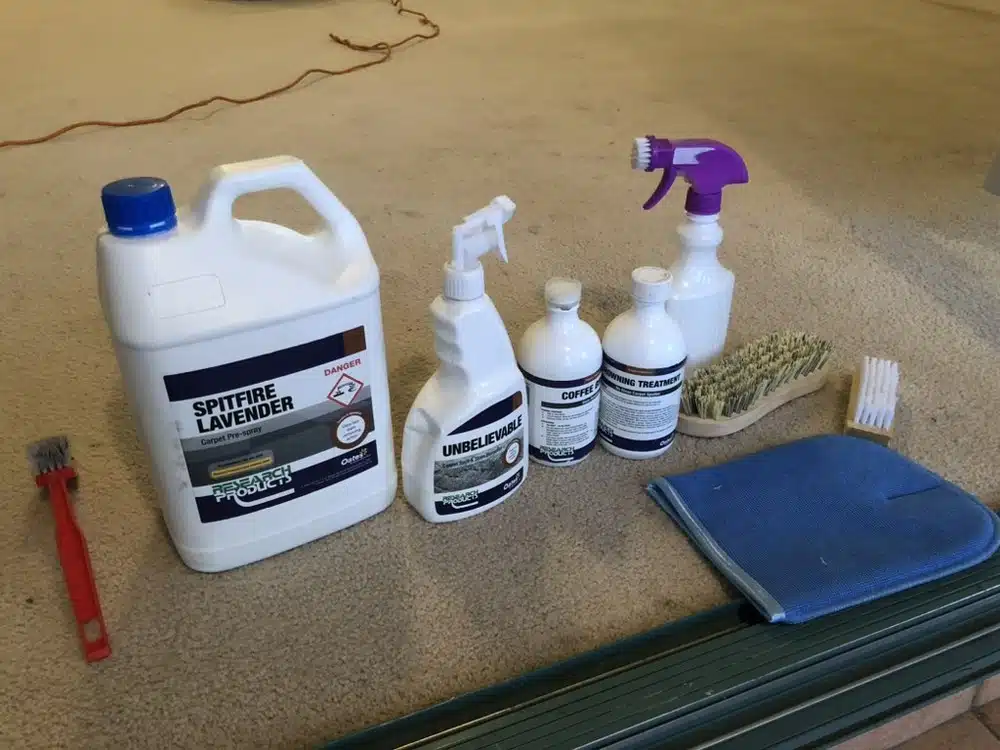
The market offers several products specifically designed for crayon and wax removal.
Materials Needed:
- Specialised crayon/wax remover (Goo Gone, Amodex, etc.)
- Clean white cloths
- Water for rinsing
- Paper towels
Steps:
- Select a specialised stain remover that mentions crayon on the label.
- Test the product in an inconspicuous area first.
- Follow the manufacturer’s instructions for application.
- Most products require you to: a. Apply the product to the stain b. Wait a specified time (usually 1-5 minutes) c. Blot or gently scrub as directed
- Continue application as needed until the stain is removed.
- Thoroughly rinse the area according to product instructions.
- Blot with clean water to ensure all product is removed.
- Absorb excess moisture with paper towels.
- Allow the area to dry completely.
Tips:
- These products often contain stronger chemicals, so ensure proper ventilation.
- Keep children and pets away from treated areas until completely dry.
- Follow all safety instructions on the product label.

Deep Cleaning After Stain Removal
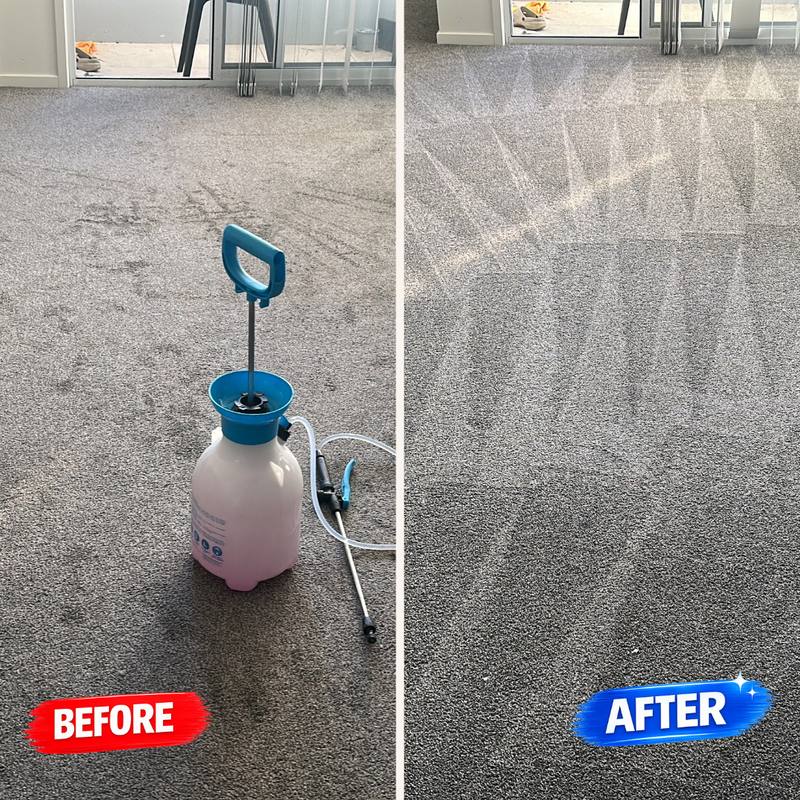
Once you’ve successfully removed the crayon stain, a proper deep cleaning will help restore your carpet’s appearance and texture.
After any stain treatment, it’s important to rinse the area thoroughly to remove all cleaning agents. Dampen a clean white cloth with plain water and blot the area repeatedly, rinsing the cloth frequently, until you’re confident all soap or cleaning solution has been removed.
To absorb remaining moisture, place a thick layer of paper towels or a clean white cloth over the damp area and weigh it down with books or another heavy, flat object. Replace the towels as they become wet until the area is completely dry.
Once dry, vacuum the area thoroughly to restore the carpet pile. For plush or high-pile carpets, gently brush the fibres in their natural direction to help them regain their texture and appearance.
If a slight discoloration remains after the crayon is removed, commercial carpet fresheners or a mixture of equal parts white vinegar and water misted lightly over the area may help restore colour balance.
Optima Cleaners provides professional carpet and rug cleaning in Brisbane, Perth, Melbourne, Sydney, Adelaide, Canberra and on the Gold Coast.
Prevention Strategies
While knowing how to remove crayon stains is valuable, preventing them in the first place is even better.
Create designated art areas in your home where children can express their creativity safely. Consider using washable drop cloths, plastic mats, or dedicated art tables with raised edges to contain art supplies.
Invest in washable crayons for younger children. These special crayons are designed to wash out of fabrics and off surfaces more easily than standard crayons.
Store art supplies in closed containers out of reach of very young children who might not understand where colouring is appropriate. Make a habit of counting crayons before and after art time to ensure none have gone astray.
For high-traffic areas or rooms where children frequently play, consider carpet tiles rather than wall-to-wall carpeting. If a tile becomes permanently stained, you can replace just that section rather than the entire floor covering.
Clear rules about where art supplies can be used, combined with consistent enforcement, help children understand boundaries while still encouraging creativity.
When to Call Professionals
Despite your best efforts, some crayon stains may prove too stubborn for DIY removal, especially if they’ve been ground into the carpet or have had months to set.
Consider calling a professional carpet cleaner if your stain remains visible after trying multiple removal methods, if the stain covers a large area, or if you’re concerned about damaging an expensive carpet with more aggressive cleaning attempts.
Professional carpet cleaners have specialised equipment and commercial-grade solutions that can often tackle stains that household methods cannot. They also understand different carpet types and can choose the safest, most effective approach for your specific carpeting.
When selecting a professional service, look for companies that specifically mention crayon or wax stain removal in their services. Ask about their process and any guarantees they offer before booking.
While professional cleaning services do represent an additional cost, they may be more economical than replacing carpeting, especially in cases of valuable or wall-to-wall installations.
Common Questions
Will ironing the crayon damage my carpet?
It can, if the iron ever touches the pile. The paper is doing two jobs in Method 1: soaking up the melted wax, and keeping the heat off the fibres. Most modern carpet is nylon, polyester or polypropylene, which are plastics and will glaze or melt under direct heat. Use the lowest setting that works, keep steam off, never let the plate touch the carpet, and lift the paper every few seconds to check rather than pressing and hoping. Wool needs a gentler hand again. If heat near your carpet makes you uneasy, Method 2 gets at the same wax from the opposite direction by freezing it instead.
Does WD-40 stain carpet?
WD-40 list “removes crayon from carpet” among the uses they publish themselves, and their own instruction is to test it on a low visibility area of the carpet first. The caution matters because it is an oil based product, so anything left behind will attract dirt and show as a darker patch within weeks. Always follow it with the dish soap solution from Method 3 and a proper rinse, which is what the steps above already tell you to do. Test in a corner or under furniture every time, not just the first time.
Is washable crayon easier to remove than regular crayon?
Considerably, and it is worth checking the box before you start. Crayola publish separate instructions for each. For washable crayons the method is to scrape off the excess, dampen with warm water, work in liquid dish soap with a brush and wipe away with a damp sponge. For regular crayons they go straight to a commercial carpet cleaner after scraping. So if it was a washable crayon, try warm water and dish soap before you reach for heat or solvents.
Why has the mark come back now the carpet has dried?
Usually one of two things. Either too much liquid carried pigment down into the backing and it has risen back to the surface as the area dried, or cleaning residue was left in the pile and is holding onto soil. Both are why the steps above keep saying blot rather than soak, and rinse properly afterwards. If a shadow keeps returning after two attempts, stop rather than escalating. Repeating an aggressive method is how a small crayon mark becomes a worn patch that no longer matches the carpet around it.
Restoring Peace of Mind
Taking crayon marks out of carpet doesn’t have to mean the end of artistic expression in your home or cause for panic when accidents happen. With the techniques outlined in this guide, most crayon mishaps can be successfully addressed, leaving your carpet looking fresh and your young artists free to create – preferably on paper next time!
Remember that different removal methods work better on different carpets and stains, so don’t be discouraged if your first attempt isn’t completely successful. Often, a combination of approaches yields the best results.
Keep basic stain removal supplies on hand for quick response to crayon incidents, as prompt action typically leads to better outcomes. And perhaps most importantly, keep a sense of humour about these childhood mishaps – someday these crayon-on-carpet stories will be cherished memories of your children’s early creative endeavours.
Crayon usually comes with other marks around it, especially where children are involved. If the rest of the room needs attention too, here is how to clean carpet by hand at home without a machine.
Related Reading


Author Profile

- Radoslav is a managing director at Optima Cleaners, but copywriting has been one of his passions for many years. When he's not hunched over his keyboard, you'll find Radoslav exploring quaint bookstores for inspiration or sipping espresso at his favorite local café, always on the hunt for the next big idea to ignite a brand's success. With a pen in one hand and a coffee cup in the other, Radoslav continues to captivate audiences and breathe life into every brand he touches.
Latest entries
 Oven CleaningOctober 6, 2026Built-In or Balcony BBQ? What to Sort Before a Clean
- Upholstery cleaningSeptember 16, 2026Why Your Freshly Cleaned Sofa Might Look Worse
- Oven CleaningSeptember 5, 2026Is a Dirty Oven Dangerous? What Burnt-On Grease Really Does
- Window cleaningJuly 29, 2025Windows and Mirror Cleaning: Professional Secrets from Optima Cleaners

Previously
How to stop insects from taking over your home naturally and effectively
May 6, 2025
Next
Pro-Level DIY Oven Cleaning Hacks That Actually Work
April 5, 2025Latest Blog Posts
October 6, 2026 - Oven Cleaning
Built-In or Balcony BBQ? What to Sort Before a Clean
Most BBQ cleaning advice assumes a freestanding hooded BBQ on a concrete patio, a few steps from a garden tap....
Read More

September 16, 2026 - Upholstery cleaning
Why Your Freshly Cleaned Sofa Might Look Worse
Why stains reappear after sofa cleaning, what water damage does inside cushion fill, and why a deep clean can look like nothing happened. Four real jobs.

September 5, 2026 - Oven Cleaning
Is a Dirty Oven Dangerous? What Burnt-On Grease Really Does
Most people live with a dirty oven until something forces their hand. Usually that means after a spill has burned...
Read More
July 29, 2025 - Window cleaning
Windows and Mirror Cleaning: Professional Secrets from Optima Cleaners
You know that feeling when you’ve spent twenty minutes scrubbing your bathroom mirror, only to step back and see more...
Read More
July 8, 2025 - Home Cleaning
Essential Australian Home Defense: Protecting Your Property from Our Harshest Elements
Most homeowners think gutter cleaning is about aesthetics or maybe preventing a bit of overflow during a storm. That thinking...
Read More

June 19, 2025 - DIY cleaning, Home Cleaning
What to Clean Before Guests Arrive (And What You Can Totally Ignore)
The text notification pops up on your phone: “Can’t wait to see you this weekend!” Your heart does a little...
Read More

June 3, 2025 - Carpet Cleaning, Home Cleaning
5 Simple Steps to Keep Your Cowhide Rug Looking Brand New
There’s something undeniably captivating about a beautiful cowhide rug. Whether it’s gracing your living room floor with its natural patterns...
Read More
May 16, 2025 - Mattress Cleaning, Upholstery cleaning
Steam Cleaning vs Dry Cleaning for Upholstery: Which Is Better?
If you’ve got a well-loved sofa or an armchair that’s seen a few too many movie nights, chances are you’re...
Read More
May 6, 2025 - Spring cleaning, Tips and tricks
How to stop insects from taking over your home naturally and effectively
Why Insects Invade Your Home in the First Place If you’ve ever spotted a trail of ants across your kitchen...
Read More
April 15, 2025 - Carpet Cleaning, Tips and tricks
6 Methods to Remove Crayon From Your Carpet
It happens in almost every home with small children at some point – that heart-stopping moment when you discover bright...
Read More