


Pressure Washing vs. Soft Washing: Which is Right for Your Home?
March 17, 2025 - floor cleaning, Home Cleaning, Pressure Washing
Keeping your home’s exterior clean isn’t just about looks — it’s about protecting your property too. Over time, dirt, grime, algae, and even mould can build up, leaving your house looking less than fresh. When it comes to washing those surfaces, two popular methods stand out: pressure washing and soft washing.
Both methods have their strengths, but they aren’t interchangeable. Picking the right one can make all the difference between a sparkling home and one with damaged paint, chipped siding, or worse. Let’s break down what each method is, how they differ, and when you should use one over the other.

Understanding Pressure Washing
What is Pressure Washing?
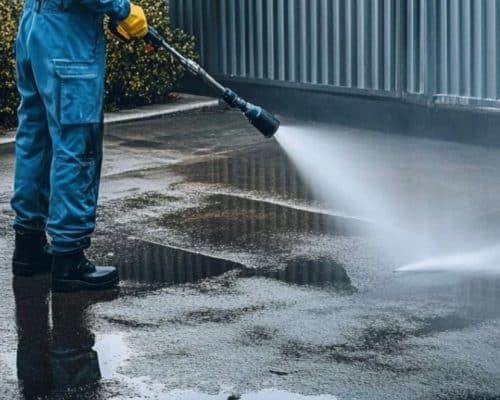
High-pressure washing relies on high-pressure water to blast away dirt, grime, and stains from surfaces. It’s powerful enough to strip paint or clean tough surfaces like concrete, making it ideal for stubborn buildup. Pressure washers often operate between 1,300 to 4,000 PSI (pounds per square inch), depending on the machine and nozzle setting.
Best Uses for Pressure Washing
Pressure washing is a champ when it comes to cleaning hard surfaces that can handle some force. If you’re dealing with oil stains on your driveway, mildew on your brick wall, or mud caked onto your patio, pressure washing is your best bet. It’s also great for prepping surfaces before painting or sealing.
Pros of Pressure Washing
The biggest perk is its power. Pressure washing can make quick work of stubborn grime, saving you hours of scrubbing. It’s also a great way to refresh concrete, brick, and metal surfaces that can withstand the high pressure.
Cons of Pressure Washing
That same power can be a double-edged sword. Pressure washing can damage softer materials like wood, vinyl siding, or roof shingles if you’re not careful. Too much pressure can strip paint, crack siding, or force water into places it shouldn’t go. It also doesn’t always eliminate algae or mildew at the root, meaning stains might return faster than expected.

Understanding Soft Washing
What is Soft Washing?
Soft washing uses low-pressure water combined with specialised cleaning solutions to remove dirt, mould, mildew, and other organic growth. Instead of relying on brute force, soft washing relies on the chemical power of the cleaning agents to break down grime. The equipment typically runs at a much gentler pressure, usually under 500 PSI.
Best Uses for Soft Washing
Soft washing is perfect for delicate surfaces that can’t handle intense pressure. Roof shingles, window washing, painted surfaces, and outdoor furniture all benefit from soft washing’s gentle touch. It’s also incredibly effective for tackling algae, moss, and mildew since the cleaning solution kills these organisms at their source.
Pros of Soft Washing
Soft washing is gentle but still incredibly effective. The cleaning solutions not only clean but also help prevent organic growth from returning quickly. It’s a longer-lasting clean that’s safer for delicate surfaces.
Cons of Soft Washing
While it’s great for certain surfaces, soft washing may not deliver instant results on heavily soiled driveways or deeply stained concrete. The cleaning agents need time to work, so results might take a day or two to fully show. Plus, it requires proper handling of the cleaning solutions to avoid harming plants, pets, or the environment.
Key Differences Between Pressure Washing and Soft Washing
Water Pressure Levels
The most obvious difference is the pressure. Pressure washing relies on force, while soft washing depends on cleaning agents. Pressure washers typically operate at 1,300-4,000 PSI, while soft washing systems stay below 500 PSI.
Cleaning Solutions and Chemicals
Pressure washing usually uses just water, although detergents may sometimes be added. Soft washing, on the other hand, always involves specialised cleaning agents designed to kill mould, mildew, and algae.
Types of Surfaces Best Suited for Each
Pressure washing is ideal for concrete, brick, and other durable surfaces. Soft washing excels at cleaning roofs, siding, and wooden structures. Knowing which method works best for different materials can save you from costly repairs.
Long-Term Effects on Your Home
Soft washing’s cleaning agents kill spores and bacteria, providing a longer-lasting clean. Pressure washing might give you immediate results, but stains and algae can return faster without additional treatment.

When to Use Each Method
If your driveway looks like it’s seen better days or your patio is covered in grime, pressure washing is your go-to. It’s unbeatable for tough stains, oil spills, and hardened debris. Just be sure you’re using the right nozzle and PSI setting to avoid damage.
For roofs, wood siding, and painted surfaces, soft washing is the safer choice. It’s also the preferred method for preventative maintenance since it tackles organic growth like algae and mould at the source.
Some cleaning jobs require a little of both. For example, you might pressure wash a concrete patio but switch to soft washing for the surrounding wooden deck or fence. Combining methods ensures each area gets the appropriate treatment.
DIY vs. Professional Services
While renting a pressure washer might seem easy enough, improper use can lead to damage or injury. Using the wrong nozzle or applying too much pressure can strip paint, crack siding, or even shatter windows. Plus, the powerful spray can cause serious injury if mishandled.
Professional cleaners, like Optima Cleaners, know exactly how to assess each surface and choose the best method for the job. They have access to professional-grade equipment, eco-friendly solutions, and the experience to clean efficiently without causing damage. Plus, pros understand how to manage cleaning agents safely, ensuring your garden and pets stay protected.
Wrapping Up
Choosing between pressure washing and soft washing doesn’t have to be tricky. It all comes down to understanding your home’s needs. If you’re dealing with stubborn grime on tough surfaces, pressure washing is the way to go. For more delicate areas or organic growth, soft washing is the safer and longer-lasting solution.
At Optima Cleaners, we specialise in professional high-pressure cleaning services across Australia. Whether it’s your driveway, patio, or exterior walls, our team is equipped with the right tools and expertise to ensure your property gets the care it deserves. With our eco-friendly solutions and industry know-how, we can refresh your outdoor spaces while protecting your home’s longevity.
Get in touch with Optima Cleaners today to book your next cleaning service and see the difference a professional touch can make!
Author Profile

- Radoslav is a managing director at Optima Cleaners, but copywriting has been one of his passions for many years. When he's not hunched over his keyboard, you'll find Radoslav exploring quaint bookstores for inspiration or sipping espresso at his favorite local café, always on the hunt for the next big idea to ignite a brand's success. With a pen in one hand and a coffee cup in the other, Radoslav continues to captivate audiences and breathe life into every brand he touches.
Latest entries
 Oven CleaningOctober 6, 2026Built-In or Balcony BBQ? What to Sort Before a Clean
- Upholstery cleaningSeptember 16, 2026Why Your Freshly Cleaned Sofa Might Look Worse
- Oven CleaningSeptember 5, 2026Is a Dirty Oven Dangerous? What Burnt-On Grease Really Does
- Window cleaningJuly 29, 2025Windows and Mirror Cleaning: Professional Secrets from Optima Cleaners

Previously
Pro-Level DIY Oven Cleaning Hacks That Actually Work
April 5, 2025
Next
Gutter Cleaning vs. Gutter Guards: Which Solution is Best for Your Home?
March 11, 2025Latest Blog Posts
October 6, 2026 - Oven Cleaning
Built-In or Balcony BBQ? What to Sort Before a Clean
Most BBQ cleaning advice assumes a freestanding hooded BBQ on a concrete patio, a few steps from a garden tap....
Read More

September 16, 2026 - Upholstery cleaning
Why Your Freshly Cleaned Sofa Might Look Worse
Why stains reappear after sofa cleaning, what water damage does inside cushion fill, and why a deep clean can look like nothing happened. Four real jobs.

September 5, 2026 - Oven Cleaning
Is a Dirty Oven Dangerous? What Burnt-On Grease Really Does
Most people live with a dirty oven until something forces their hand. Usually that means after a spill has burned...
Read More
July 29, 2025 - Window cleaning
Windows and Mirror Cleaning: Professional Secrets from Optima Cleaners
You know that feeling when you’ve spent twenty minutes scrubbing your bathroom mirror, only to step back and see more...
Read More
July 8, 2025 - Home Cleaning
Essential Australian Home Defense: Protecting Your Property from Our Harshest Elements
Most homeowners think gutter cleaning is about aesthetics or maybe preventing a bit of overflow during a storm. That thinking...
Read More

June 19, 2025 - DIY cleaning, Home Cleaning
What to Clean Before Guests Arrive (And What You Can Totally Ignore)
The text notification pops up on your phone: “Can’t wait to see you this weekend!” Your heart does a little...
Read More

June 3, 2025 - Carpet Cleaning, Home Cleaning
5 Simple Steps to Keep Your Cowhide Rug Looking Brand New
There’s something undeniably captivating about a beautiful cowhide rug. Whether it’s gracing your living room floor with its natural patterns...
Read More
May 16, 2025 - Mattress Cleaning, Upholstery cleaning
Steam Cleaning vs Dry Cleaning for Upholstery: Which Is Better?
If you’ve got a well-loved sofa or an armchair that’s seen a few too many movie nights, chances are you’re...
Read More
May 6, 2025 - Spring cleaning, Tips and tricks
How to stop insects from taking over your home naturally and effectively
Why Insects Invade Your Home in the First Place If you’ve ever spotted a trail of ants across your kitchen...
Read More

April 15, 2025 - Carpet Cleaning, Tips and tricks
6 Methods to Remove Crayon From Your Carpet
It happens in almost every home with small children at some point – that heart-stopping moment when you discover bright...
Read More