


5 Signs Your Home Needs a Professional Cleaning Service
August 18, 2024 - Cleaning, Home Cleaning, Oven Cleaning, Spring cleaning
Most homes get cleaned regularly , dishes, laundry, a weekly vacuum , but regular cleaning and deep cleaning are not the same thing. Over time, dirt, allergens, grease, and moisture accumulate in areas that a standard routine does not reach, and the effects start to show in ways that are easy to overlook until they become harder to ignore.
Knowing when to call a professional cleaning service is not about admitting defeat. It is about recognising when the job has grown beyond what a household routine can reasonably handle.
Here are five signs that your home is at that point , and what a professional can do that a standard clean cannot.
Sign 1: Persistent Odours That Do Not Clear
If a smell keeps returning no matter how often you clean, the source is almost certainly somewhere your regular routine is not reaching. Musty odours, stale cooking smells, pet odours, and damp smells are the most common , and the most persistent.
Why It Happens
Odours become embedded when the particles causing them work their way into porous materials over time. Carpets, upholstery, mattresses, and soft furnishings absorb moisture, pet dander, food residue, and bacteria during everyday use. Surface cleaning removes what is visible, but the odour source often sits deeper in the fibre or padding beneath.
Common sources of persistent indoor odours include:
- Pet dander and urine absorbed into carpet underlay
- Cooking grease trapped in range hood filters and oven cavities
- Mould or mildew growth in humid areas behind or beneath surfaces
- Body oils and dust mites embedded in mattresses and soft furnishings
- Bacterial build-up in bins, drains, and grout lines
What a Professional Can Do
Professional cleaners use hot water extraction, steam cleaning, and enzyme-based treatments that break down odour-causing bacteria at the source rather than masking them. These methods reach the underlay, padding, and fibres where the problem originates , not just the surface layer.
The most common scenario we encounter with persistent odours is a property where carpets or a mattress have absorbed pet urine over time. The smell is often barely noticeable to the household , until a warm day raises the humidity and it becomes overwhelming. A standard vacuum or over-the-counter spray does nothing to the underlay, which is where the urine has settled. Hot water extraction with an enzyme treatment is the only reliable method for this kind of deep contamination.
If persistent odours are coming from flooring or soft furnishings, carpet cleaning in Sydney, carpet cleaning in Melbourne, carpet cleaning in Brisbane, and carpet cleaning in Perth address embedded odours in carpets and rugs, while mattress cleaning in Sydney, mattress cleaning in Melbourne, mattress cleaning in Brisbane, and mattress cleaning in Perth cover mattresses and bedding.

Sign 2: Stains That Have Not Responded to DIY Cleaning
A stain that has been treated multiple times and is still visible is not going to improve with another round of the same method. Repeated scrubbing without the right approach can make the problem harder to fix , not easier.
Why It Happens
Stains that penetrate carpet fibres, fabric weaves, or grout lines quickly bond with the material once they dry. The longer a stain sits, the deeper the bond, and the more likely it is that the wrong cleaning product or technique has already been used on it , which can set the stain further or damage the surrounding surface.
Stains that regularly exceed DIY methods include:
- Red wine and tannin-based stains on carpet or upholstery
- Pet urine that has dried and bonded with fibres
- Grease and oil embedded in fabric or grout
- Coffee and tea stains on light upholstery
- Mould staining on tile grout or silicone seals
- Rust marks on hard surfaces
What a Professional Can Do
Professional cleaners assess the stain type, the surface material, and the treatment history before choosing a method. This matters because different stains require different chemistry , an alkaline cleaner for grease, an enzyme treatment for biological stains, a low-moisture approach for delicate fabrics. Applying the wrong product can set a stain permanently or bleach the surrounding area.
One situation we see regularly is carpet that has had an over-the-counter stain remover applied to a pet urine spot, which has lightened the carpet around the stain without removing the stain itself. The contrast can make the mark more noticeable than before treatment. In some cases we can still recover the area with the right enzyme treatment, but it is harder once the surrounding fibres have been affected. If a stain is not responding to your first attempt, stopping and calling a professional before trying something else is usually the better decision.
For stains on fabric furniture, upholstery cleaning in Sydney, upholstery cleaning in Melbourne, upholstery cleaning in Brisbane, and upholstery cleaning in Perth cover sofas, chairs, and soft furnishings. For carpet stains, carpet cleaning in Sydney and carpet cleaning in Brisbane use hot water extraction to treat embedded marks that surface cleaning cannot reach.
Sign 3: Allergy Symptoms That Are Worse Indoors
If your allergy symptoms , sneezing, itchy eyes, congestion, or skin irritation , are consistently worse at home than outdoors, the indoor environment is likely the contributing factor. This is a sign that allergen levels in the home have built up beyond what regular cleaning is managing.
Why It Happens
Common indoor allergens accumulate gradually and concentrate in areas that are difficult to clean thoroughly with standard equipment. The most significant sources are:
- Dust mites , which live in carpet, bedding, upholstery, and soft furnishings
- Pet dander , which becomes airborne and settles on all surfaces
- Mould spores , which release into the air from growth in humid areas
- Pollen , which is tracked in and settles on floors and furniture
- Cockroach particles and rodent allergens , more common in older properties
Regular vacuuming with a standard machine captures surface debris but recirculates fine particles back into the air. Allergens embedded in carpet underlay, mattress padding, and upholstery foam are largely unaffected by surface-level cleaning.
What a Professional Can Do
HEPA-filter vacuums capture particles down to 0.3 microns , far smaller than what standard household vacuums retain. Combined with hot water extraction for carpets and upholstery, and steam treatment for mattresses, professional cleaning significantly reduces the allergen load in the surfaces where it concentrates most.
Mattresses are one of the most allergen-dense surfaces in any home, and one of the most neglected. Dust mites feed on shed skin cells, which accumulate in mattress padding over years of use. A mattress that has never been professionally cleaned can contain tens of thousands of mites and a significant build-up of their waste particles , both of which are common allergen triggers. We frequently see customers whose sleep quality and morning congestion improves noticeably after a mattress clean, simply because the allergen load they were sleeping in has been dramatically reduced.
For households managing allergy symptoms, mattress cleaning in Sydney, mattress cleaning in Melbourne, mattress cleaning in Brisbane, and mattress cleaning in Perth address one of the highest-concentration allergen sources in the home. carpet cleaning in Melbourne and carpet cleaning in Perth can significantly reduce dust mite and dander levels embedded in flooring.

Sign 4: Visible Mould or a Persistent Damp Smell
Visible mould is a clear sign that moisture has been present long enough for spores to colonise a surface. A persistent musty or damp smell without visible mould is often a sign that growth is occurring somewhere out of sight , behind tiles, under flooring, inside wall cavities, or around window frames.
Why It Happens
Mould grows wherever moisture and organic material combine without sufficient airflow or drying time. In residential properties, the most common problem areas are:
- Bathroom grout lines, silicone seals, and ceiling corners
- Areas around leaking taps, pipes, or window frames
- Poorly ventilated laundries and kitchens
- Basements, under-house spaces, and areas with rising damp
- Behind large furniture placed against external walls
- Air conditioning units and ceiling vents
Small surface patches can sometimes be treated with appropriate mould-specific products. The concern with DIY treatment is incomplete removal , disturbing mould without proper containment releases spores into the air, spreading the contamination further.
What a Professional Can Do
Professional cleaning for mould uses products and methods that neutralise spores rather than simply bleaching the visible surface. For porous surfaces like grout, silicone, and unsealed tile, this distinction matters , bleach-based products remove the colour of mould without fully eliminating the root structure embedded in the surface.
A pattern we see consistently is bathroom mould that has been cleaned with bleach spray repeatedly over months, where the surface looks clear immediately after treatment but the mould returns within a week or two. This happens because surface bleaching does not penetrate the silicone or grout where the root system is established. Proper mould remediation on these surfaces involves either replacing the affected silicone entirely or using a product that penetrates and neutralises the growth, combined with addressing the humidity that allowed it to establish in the first place. Ventilation habits matter as much as the cleaning method.
Sign 5: The Deep Cleaning Tasks Keep Getting Deferred
There is a category of cleaning tasks that almost every household knows needs doing but consistently gets pushed to another time. Oven cleaning, carpet cleaning, mattress cleaning, window tracks, behind appliances, grout lines, range hood filters , these are not tasks that fit into a standard weekly routine, and they accumulate.
Why It Happens
Deep cleaning tasks require more time, physical effort, and often specialised products or equipment that are not part of a standard household kit. When life is busy, these tasks get deferred in favour of keeping the visible surfaces manageable. The problem is that the longer they are deferred, the harder and more time-consuming they become. A lightly soiled oven is a 30-minute job; an oven with two years of baked-on carbon is a multi-hour project.
Tasks that most commonly accumulate in households include:
- Oven and range hood cleaning
- Carpet and upholstery deep cleaning
- Mattress cleaning
- Tile and grout scrubbing
- Window frame and track cleaning
- Behind and under appliances
- Ceiling fans, vents, and high shelves
What a Professional Can Do
Professional cleaners handle these tasks efficiently because they have the right equipment, products, and techniques for each job , and because they do them routinely. A task that takes a household four hours of effort and uncertain results takes a trained technician significantly less time, with a more consistent outcome.
The jobs we are called in for most often involve ovens that have not been cleaned in over a year. By that point, the grease and carbon have bonded thoroughly with the oven cavity walls and door glass, and the range hood filter is usually in poor condition too. These are not difficult jobs for a professional with the right degreasers and technique , but they are genuinely time-consuming and unpleasant for a household to attempt on a weekend. The value of professional help is not just the result; it is reclaiming the time and avoiding the frustration of a job that keeps not getting done.
For oven and range hood cleaning, oven cleaning in Sydney, oven cleaning in Melbourne, oven cleaning in Brisbane, and oven cleaning in Perth cover appliance cleaning as a standalone service or as part of a wider home clean.

When Is the Right Time to Book a Professional Clean?
Any of the five signs above is a reasonable trigger for booking a professional clean. Taken together, they suggest a home that has accumulated cleaning debt across several areas , and that a single professional visit, or a combination of targeted services, would meaningfully reset the baseline.
Other situations where professional cleaning is particularly useful:
- Before or after moving into a property
- Before hosting guests or a significant event
- Seasonal deep cleans , particularly before summer or winter
- After a renovation where dust and debris have spread through the home
- At the end of a tenancy where bond return is at stake
- When a household member has health conditions that make allergen control important
For end of tenancy situations, end of lease cleaning in Sydney, end of lease cleaning in Melbourne, end of lease cleaning in Brisbane, and end of lease cleaning in Perth cover the full property clean required for bond return. For general household resets, home cleaning in Sydney, home cleaning in Melbourne, home cleaning in Brisbane, and home cleaning in Perth are available as one-off or regular services.
A Clean Home Is Not Just About Appearances
Persistent odours, stubborn stains, worsening allergies, visible mould, and deferred deep cleaning tasks are not just aesthetic problems. They affect the air quality, hygiene, and comfort of the spaces where you spend most of your time. Regular cleaning maintains the surface; professional cleaning addresses what sits underneath it.
At Optima Cleaners, our services are designed for the jobs that go beyond a standard household routine , carpet and upholstery cleaning, mattress cleaning, oven and BBQ cleaning, end of lease cleaning, and full home cleans across Sydney, Melbourne, Brisbane, and Perth.
If any of the five signs in this guide sound familiar, it is a practical indicator that your home would benefit from a professional reset. The longer these issues are left, the more difficult and time-intensive they become to address.
Author Profile

- Radoslav is a managing director at Optima Cleaners, but copywriting has been one of his passions for many years. When he's not hunched over his keyboard, you'll find Radoslav exploring quaint bookstores for inspiration or sipping espresso at his favorite local café, always on the hunt for the next big idea to ignite a brand's success. With a pen in one hand and a coffee cup in the other, Radoslav continues to captivate audiences and breathe life into every brand he touches.
Latest entries
 Oven CleaningOctober 6, 2026Built-In or Balcony BBQ? What to Sort Before a Clean
- Upholstery cleaningSeptember 16, 2026Why Your Freshly Cleaned Sofa Might Look Worse
- Oven CleaningSeptember 5, 2026Is a Dirty Oven Dangerous? What Burnt-On Grease Really Does
- Window cleaningJuly 29, 2025Windows and Mirror Cleaning: Professional Secrets from Optima Cleaners
Previously
The Secret to a Mould-Free Bathroom: A Step-by-Step Guide
August 22, 2024
Next
Detergent vs Natural Clean - Truth About Your Cleaning Products
July 29, 2024Latest Blog Posts
October 6, 2026 - Oven Cleaning
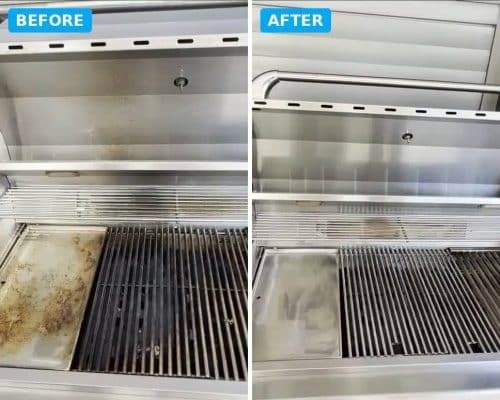
Built-In or Balcony BBQ? What to Sort Before a Clean
Most BBQ cleaning advice assumes a freestanding hooded BBQ on a concrete patio, a few steps from a garden tap....
Read More

September 16, 2026 - Upholstery cleaning
Why Your Freshly Cleaned Sofa Might Look Worse
Why stains reappear after sofa cleaning, what water damage does inside cushion fill, and why a deep clean can look like nothing happened. Four real jobs.

September 5, 2026 - Oven Cleaning
Is a Dirty Oven Dangerous? What Burnt-On Grease Really Does
Most people live with a dirty oven until something forces their hand. Usually that means after a spill has burned...
Read More
July 29, 2025 - Window cleaning
Windows and Mirror Cleaning: Professional Secrets from Optima Cleaners
You know that feeling when you’ve spent twenty minutes scrubbing your bathroom mirror, only to step back and see more...
Read More
July 8, 2025 - Home Cleaning
Essential Australian Home Defense: Protecting Your Property from Our Harshest Elements
Most homeowners think gutter cleaning is about aesthetics or maybe preventing a bit of overflow during a storm. That thinking...
Read More

June 19, 2025 - DIY cleaning, Home Cleaning
What to Clean Before Guests Arrive (And What You Can Totally Ignore)
The text notification pops up on your phone: “Can’t wait to see you this weekend!” Your heart does a little...
Read More

June 3, 2025 - Carpet Cleaning, Home Cleaning
5 Simple Steps to Keep Your Cowhide Rug Looking Brand New
There’s something undeniably captivating about a beautiful cowhide rug. Whether it’s gracing your living room floor with its natural patterns...
Read More
May 16, 2025 - Mattress Cleaning, Upholstery cleaning
Steam Cleaning vs Dry Cleaning for Upholstery: Which Is Better?
If you’ve got a well-loved sofa or an armchair that’s seen a few too many movie nights, chances are you’re...
Read More
May 6, 2025 - Spring cleaning, Tips and tricks
How to stop insects from taking over your home naturally and effectively
Why Insects Invade Your Home in the First Place If you’ve ever spotted a trail of ants across your kitchen...
Read More

April 15, 2025 - Carpet Cleaning, Tips and tricks
6 Methods to Remove Crayon From Your Carpet
It happens in almost every home with small children at some point – that heart-stopping moment when you discover bright...
Read More