


How to Prepare Your Oven for Holiday Cooking
November 25, 2024 - Oven Cleaning
How to Prepare Your Oven for Holiday Cooking
Holiday cooking puts your oven under more pressure than usual. Roasts, trays of vegetables, baked desserts, casseroles, and reheated dishes can all compete for space, timing, and consistent heat.
A clean and well-prepared oven helps food cook more evenly, reduces smoky smells, and lowers the chance of last-minute problems when guests are arriving.
The good news is that oven preparation does not need to be complicated. A simple inspection, deep clean, temperature check, and test bake can make holiday cooking much less stressful, and doing it a week or two before the day gives you time to deal with anything unexpected without adding to the pre-holiday rush.
What Is the Best Way to Prepare an Oven for Holiday Cooking?
In Australia that usually means Christmas, and it is the one day of the year the oven gets asked to do the most work in the shortest time. The time to prepare your oven for Christmas is a week or two out, not the morning itself. That is the difference between a relaxed start and finding out at 9am that the oven runs cold.
The best way to prepare an oven for holiday cooking is to inspect it, clean grease and burnt residue, check the door seal, test the temperature, clean racks and trays, and run a trial bake before the big day.
Quick answer:
- Inspect the oven before cooking season.
- Clean grease, crumbs, and burnt residue.
- Check the door seal.
- Test the oven temperature.
- Clean racks, trays, and accessories.
- Run a test bake.
- Book professional cleaning if build-up is heavy.
If the oven is heavily soiled or you are short on time, oven cleaning in Sydney, oven cleaning in Brisbane, oven cleaning in Melbourne, or oven cleaning in Perth can help get it ready before holiday cooking starts.
Why Should You Check Your Oven Before Christmas?
Checking your oven before the holidays helps you catch grease, smoke, uneven heat, damaged seals, and slow preheating before they interrupt a big meal.
Problems to look for:
- Smoke when the oven heats
- Burnt smells before food is added
- Grease on the walls or glass
- Food cooking unevenly
- Slow preheating
- Cracked or loose door seal
- Dirty racks and trays
A quick check gives you time to clean, replace accessories, book help, or adjust your cooking plan before the kitchen gets busy.
The calls we receive most often in the days just before a major holiday are from households that have not used the oven heavily for a few months and are discovering the build-up all at once. An oven that has been sitting with accumulated grease will often smoke noticeably the first time it is run at high temperature, exactly the wrong moment to discover this. Checking two weeks out rather than two days out makes a significant difference to what is achievable before the day
How Do You Inspect Your Oven Before Holiday Cooking?
Start by opening the oven and looking closely at the interior, door, racks, trays, cooktop, and range hood. You are checking for anything that could affect cooking quality, safety, odour, or cleaning time.
Inspection checklist:
- Look for grease on oven walls and ceiling.
- Check for burnt food on the oven floor.
- Inspect the oven glass, inside and out.
- Check the door seal for cracks or gaps.
- Look at racks and trays for rust, warping, or residue.
- Check the oven light.
- Check the range hood filter.
If the door seal is cracked, loose, or missing sections, heat escapes during cooking. That leads to uneven results and longer cooking times, not something you want to discover mid-roast with guests at the table.
Door seal condition is something we check on every inspection. A failing seal is easy to miss visually, but if you run your hand carefully around the door edge while the oven is at temperature, you can often feel the warm air escaping. We have attended holiday pre-clean jobs where the seal was so degraded that the oven was losing meaningful heat on every cycle, which explains why the customer’s cooking times had been creeping longer without any obvious cause.
What Else to Check During Inspection
Beyond the obvious grease and residue, look at whether the inner door glass panel is intact and whether any grease appears to be sitting between the two panes. Grease between the glass panels cannot be cleaned from the surface. It requires partial door disassembly, which is worth knowing before you spend time cleaning the wrong side.
Also check the oven light. A failed bulb is a small thing until you are trying to monitor a dish through the door during a busy cooking day. Replacement is straightforward on most ovens, and our technicians carry common globe sizes as an add-on for professional clean bookings.

How Do You Test Oven Performance Before a Big Meal?
You can test oven performance by checking temperature accuracy, identifying hot spots, and watching how quickly the oven recovers after the door has been opened.
Simple tests include:
- Use an oven-safe thermometer and compare to the set temperature.
- Place slices of white bread across the rack to identify hot spots.
- Time how long preheating takes from cold.
- Open the door briefly and watch how quickly the temperature recovers.
- Run a simple recipe that you know well before the holiday.
If the oven temperature is more than 10 to 15 degrees off the setting, it may need recalibration or an appliance technician. Catching that early can save your roast, desserts, and timing on the day.
Hot spots are more common than most people realise, and they are one of the leading reasons that holiday baking produces uneven results. The bread slice test is genuinely reliable. Lay six to eight slices across the rack and run the oven at 180 degrees for eight to ten minutes. The browning pattern shows exactly where the heat is concentrating. Rotating trays halfway through cooking is a simple fix, but knowing where your hot zones are before the day means you can plan rack positions and rotation timing deliberately.
How Should You Deep Clean an Oven Before Holiday Cooking?
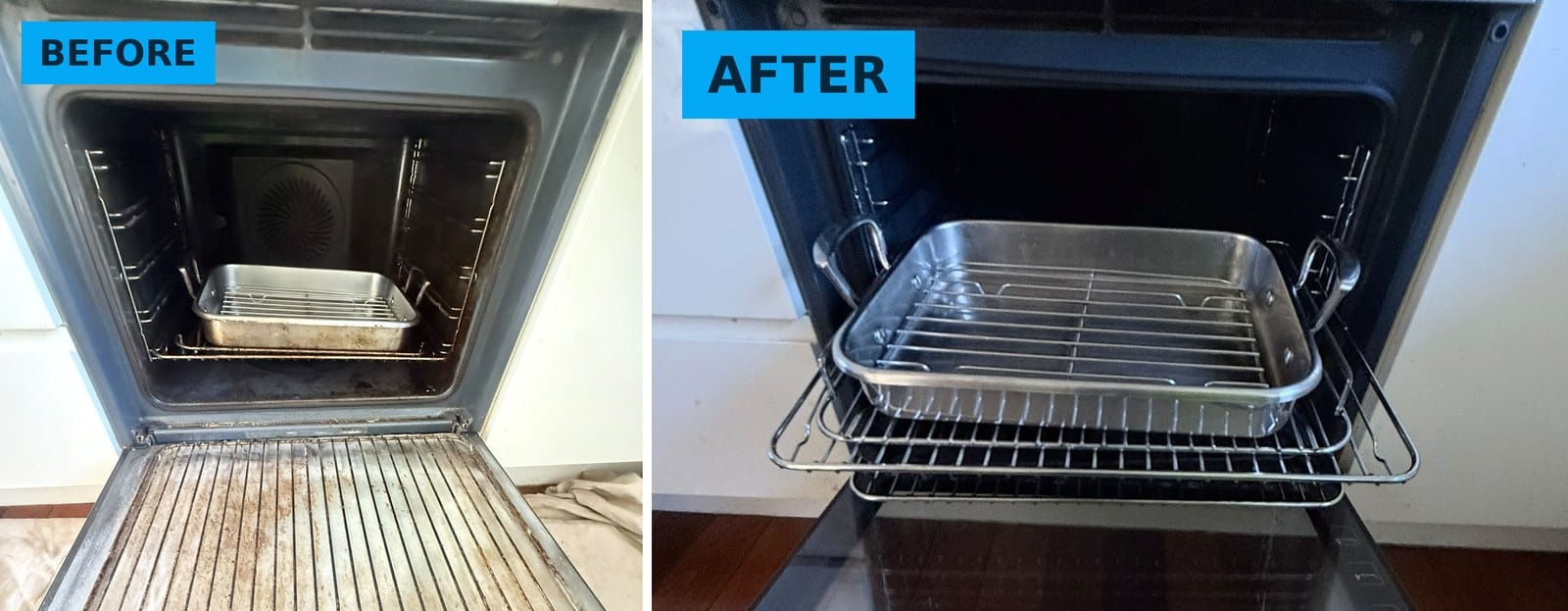
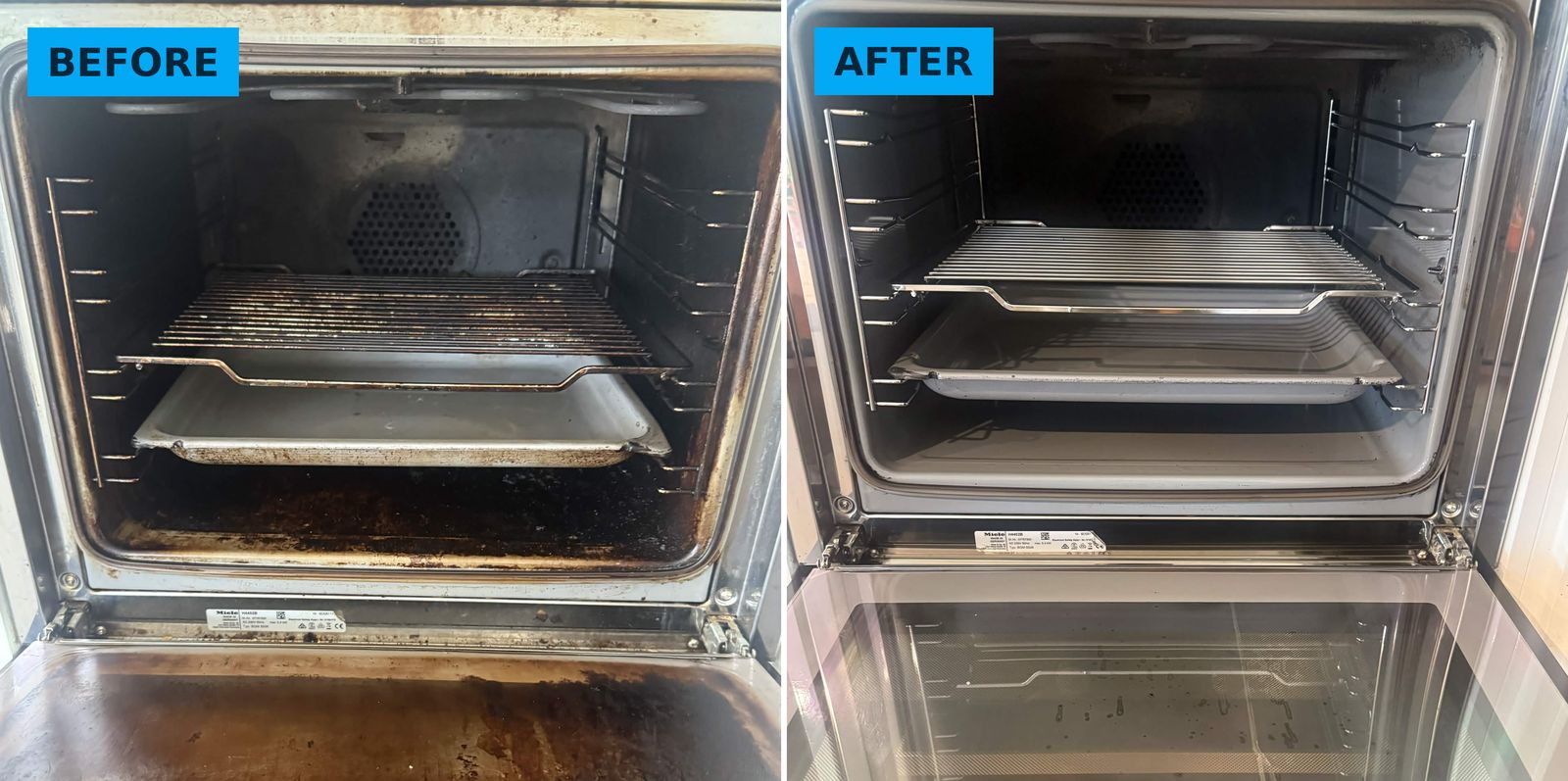
Deep cleaning before the holidays removes grease, crumbs, burnt-on food, and odours that would otherwise smoke or affect the taste of food during cooking.
DIY supplies:
- Baking soda
- White vinegar
- Spray bottle
- Rubber gloves
- Sponge and non-abrasive scrubbing pad
- Microfibre cloths
- Plastic scraper
Basic cleaning steps:
- Let the oven cool completely.
- Remove racks, trays, and loose accessories.
- Scrape away loose crumbs and food debris with the plastic scraper.
- Apply a thick baking soda paste to greasy areas, avoiding heating elements.
- Leave it for at least 6 to 8 hours, or overnight for heavier build-up.
- Spray white vinegar over the dried paste.
- Wipe clean thoroughly with a damp cloth.
- Rinse away all residue and run the oven briefly before cooking.
Do not apply cleaner to heating elements or use abrasive tools on enamel surfaces. If the oven has heavy carbon build-up from extended use, professional cleaning is a safer option than aggressive scrubbing, particularly in the lead-up to a big cooking day when you cannot afford surface damage.
The most common preparation mistake we see is applying baking soda paste the morning before holiday cooking and expecting results by the afternoon. The paste needs time (ideally 12 hours or more) to properly soften hardened grease. If you are doing this yourself, plan the soak two to three days before your main cooking day, not the night before. It also gives you time for a second pass if the first attempt does not clear everything.
When Should You Book Professional Oven Cleaning Before the Holidays?
Book about a month before Christmas. That gives you time to get a slot before the December rush, and time to sort anything the clean turns up, like a failing seal or an element that is not holding temperature, well before you are cooking for a houseful. Leaving it to the week before usually means taking whatever appointment is left.
Book sooner than that if your oven smokes, smells, has baked-on grease, has dirty glass panels, or has not been cleaned properly for an extended period.
Signs include:
- Smoke appears during preheating.
- Grease is baked onto the glass.
- Carbon build-up will not lift with DIY methods.
- The oven smells even when empty.
- Racks are sticky or heavily blackened.
- The range hood filter is clogged or greasy.
- You do not have time for a thorough DIY clean before the holiday.
For holiday preparation, Optima Cleaners provides oven cleaning services in Sydney, oven cleaning services in Brisbane, oven cleaning services in Melbourne, and oven cleaning services in Perth, Adelaide, Canberra and the Gold Coast for homes that need a proper reset before guests arrive.
Range hood filters tend to be the last thing anyone gets around to cleaning, so they are often in worse shape than the oven. A saturated filter cannot extract steam and grease vapour during holiday cooking, which means grease settles back onto the stovetop, benchtop and splashback with every dish prepared. Getting both done before a big cooking stretch is a sensible pairing.

How Do You Clean Oven Racks and Baking Trays?
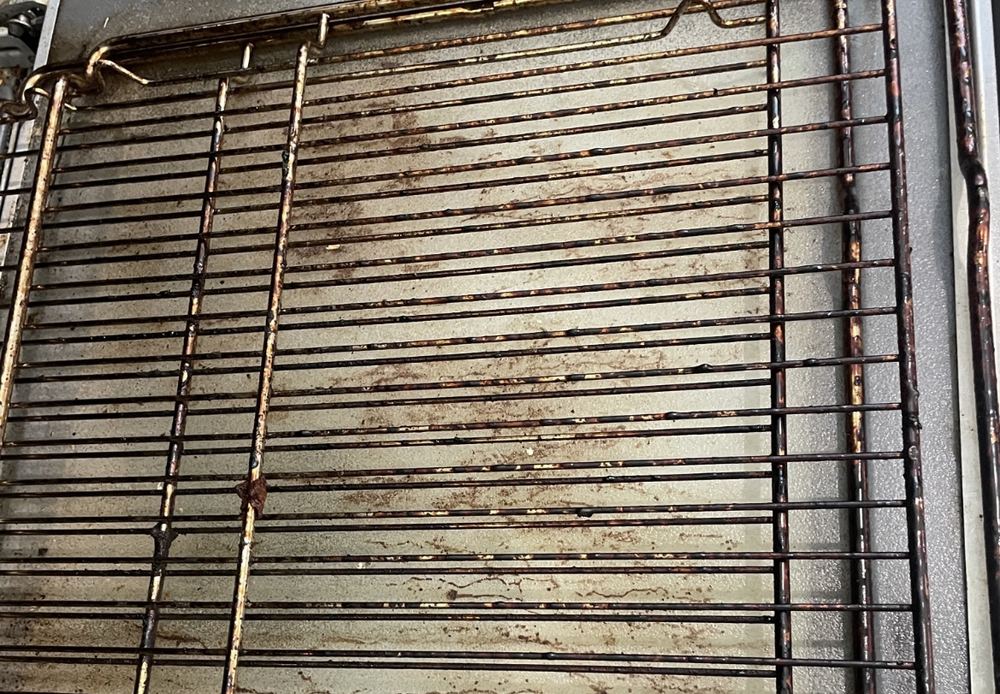
Oven racks and baking trays should be cleaned separately because they hold sticky grease, old drips, and burnt residue that can smoke during holiday cooking if left untreated.
Steps:
- Remove racks and trays from the oven.
- Lay an old towel in the bathtub to prevent scratching.
- Place racks on the towel and fill the tub with very hot water.
- Add dishwasher detergent or laundry powder.
- Leave to soak overnight.
- Scrub remaining residue with a non-scratch sponge or brush.
- Rinse thoroughly.
- Dry completely before returning to the oven.
- Replace trays that are warped, heavily rusted, or badly damaged.
Clean accessories make cooking easier and reduce the chance of old residue smoking during holiday baking or roasting.
Chrome racks with worn or flaking plating should not be soaked for extended periods, as hot water can accelerate surface deterioration in areas where the chrome has already lifted. For racks in this condition, a shorter soak with a degreaser spray is gentler. Also worth noting: rinse the bathtub thoroughly after removing the racks. Detergent and loosened grease can leave a film on the bath surface if left sitting.
How Do You Calibrate and Optimise an Oven Before the Holidays?
Calibration means checking whether the oven temperature matches what you have set. This matters most for baking, roasting, and dishes that rely on consistent heat across a long cook.
What to check:
- Temperature accuracy against a standalone oven thermometer
- Preheating time from cold
- Hot spots using the bread slice test
- Door seal condition
- Oven light functionality
- Convection fan (if fitted): listen for unusual noise or reduced airflow
Some ovens allow manual temperature offset adjustment through the settings menu, while others require a technician to recalibrate. Check your appliance manual before adjusting settings. If the temperature discrepancy is large or the oven behaves inconsistently, an appliance technician should assess it before the holiday rather than during.
There is a food safety angle to this that is worth knowing. An oven running cold does not just affect browning. Food Standards Australia New Zealand advises cooking poultry, mince and rolled roasts to at least 75 degrees in the centre, and 70 degrees for most other foods, checked with a thermometer rather than by eye. If your oven is reading 20 degrees high on the dial, a stuffed bird that looks done may not be.
What Preventive Maintenance Should You Do Before Holiday Cooking?
A few small maintenance tasks in the week before the holidays can prevent avoidable problems once cooking starts. These are the checks that rarely take more than a few minutes but can save significant frustration on the day.
Before the holidays:
- Replace a blown oven light so you can monitor dishes through the door.
- Clean or replace range hood filters for proper extraction during high-volume cooking.
- Organise baking trays and pans so you know what you have and where it is.
- Check roasting racks for stability and rust.
- Keep an oven-safe thermometer in the kitchen for the cooking day.
- Stock parchment paper, foil, and oven liners to catch spills before they bake on.
- Keep emergency cleaning supplies (baking soda, damp cloths) nearby for fresh spills.
Store frequently used accessories near the oven where possible. During a busy cooking day with multiple dishes on the go, easy access to trays, racks, liners, and a thermometer saves the kind of small delays that compound quickly.
Oven liners are a worthwhile investment for holiday cooking, provided they are approved for your oven type. Check the manufacturer guidance before placing them. A reusable liner on the oven floor catches drips and spills before they bake into the enamel, which makes the post-holiday clean significantly easier. The difference between an oven floor with a liner and one without after a full day of roasting and baking is considerable.
On how often this needs doing, CHOICE suggests a thorough clean about once a month, plus a quick wipe after each use while the oven is still warm. Most households are nowhere near that, which is exactly why the build-up is such a shock when the holidays come around.
Should You Test Bake Before Holiday Cooking?
Yes. A test bake is one of the most practical things you can do in the week before a big cooking day. It checks whether the oven is clean, heating evenly, and behaving as expected, while you still have time to address anything that is not.
A test bake can reveal:
- Uneven browning or cooking
- Slow preheating or poor heat recovery
- Hot spots affecting the result
- Temperature discrepancies
- Residual smoke or odour from incomplete cleaning
- Timing that differs from what the recipe expects
Choose a dish you plan to make for the holidays and prepare it ahead of time. If something seems off (uneven colour, longer cooking time, unexpected smoke), you still have time to adjust rack positions, recalibrate, arrange a professional clean, or plan for repairs before the main event.
We often suggest to customers that if they are going to make a test bake, make it something they would genuinely eat. Biscuits or a simple tray bake work well, easy to judge for even browning, quick to prepare, and useful for checking whether any residual cleaner smell has fully cleared after a recent deep clean. Running the oven at cooking temperature for 20 to 30 minutes with the window open before the test bake helps burn off any remaining cleaning residue and gives you a clean baseline.
How Do You Plan Oven Timing for Multiple Holiday Dishes?
Holiday cooking often means juggling several dishes at once, or in close succession across a long day. A simple timing plan reduces the stress of managing competing temperatures, rack space, and resting periods.
Helpful planning tips:
- Group dishes by temperature where possible, and schedule them together.
- Cook the largest dishes first to make the most of full oven heat.
- Use resting time: meat and baked dishes often benefit from resting, to free up oven space.
- Rotate trays halfway through cooking if your oven has known hot spots.
- Avoid overcrowding racks, which restricts airflow and leads to uneven results.
- Preheat fully before each dish, especially after the door has been open for an extended period.
- Keep the door closed as much as possible. Each opening drops the temperature noticeably.
Opening the oven door repeatedly is one of the most common reasons baking times run long during busy cooking days. If you know where your oven’s hot zones are from the bread test, you can plan rack positions for each dish in advance rather than adjusting on the fly.
What Final Touches Help Before Guests Arrive?
In the final 24 to 48 hours before holiday cooking, focus on light readiness checks rather than a rushed deep clean. The deep work should already be done.
Final checks include:
- Wipe any crumbs from the oven floor.
- Clean the door handle and exterior control panel.
- Wipe the cooktop and remove any residue from the last use.
- Confirm racks are dry and positioned correctly for your planned dishes.
- Stock baking paper, foil, and oven liners in an accessible spot.
- Keep a damp cloth and a small container of baking soda nearby for fresh spills.
If a spill happens during cooking, resist the urge to deal with it immediately. Wait until the oven has cooled to a safe temperature before attempting any clean-up. For fresh spills on the oven floor, a sprinkle of baking soda once the area is cool will absorb residue and make wiping much easier.

What About BBQ Cleaning for Holiday Entertaining?
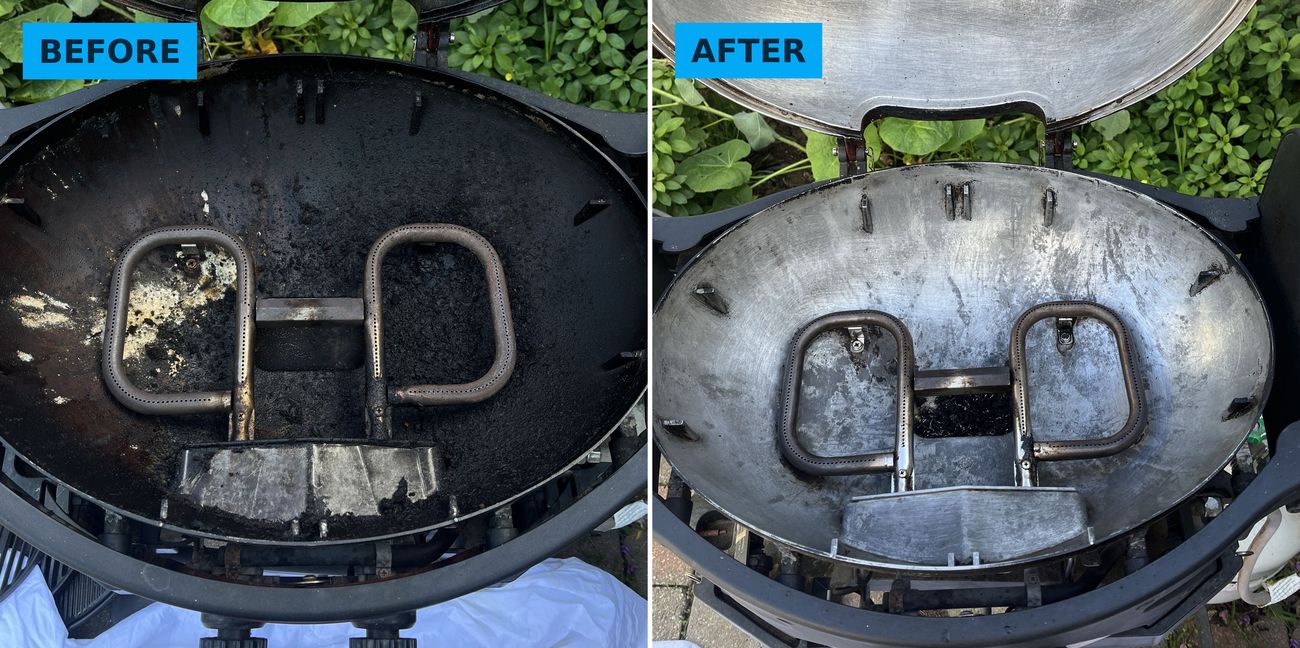
Holiday meals often move outdoors. If your BBQ will be used for guests, whether for a full cook or overflow from the kitchen, check it before the day so grease, smoke, or old food residue does not create a problem when you need the appliance to perform.
BBQ cleaning signs include:
- Greasy grill plates
- Smoke before food is added
- Sticky knobs or handles
- Burnt residue under the hood
- Old food smell while preheating
If the BBQ needs a proper reset before guests arrive, Optima offers BBQ cleaning in Brisbane, BBQ cleaning in Sydney, BBQ cleaning in Melbourne, and BBQ cleaning in Perth through its oven and BBQ cleaning service.
Practical BBQ Challenges Worth Knowing
If your BBQ is on a balcony or elevated area, access for cleaning can sometimes be a challenge. For units up to a three-burner size, relocation to a ground-level area is generally manageable. For larger BBQs, cleaning in place (removing the grill plates, burner covers, and drip trays for separate cleaning) is the safer approach and avoids any risk of damage to the appliance or flooring during a heavy lift.
If water access is limited near the BBQ (common on balconies and rooftop terraces), non-water-based cleaning solutions can be used with advance notice. Results differ from the conventional method, but the job can still be completed effectively when we know the constraints before arriving.
What Other Cleaning Helps Before Holiday Guests Arrive?
Preparing the oven is a strong start, but holiday hosting often calls for a wider home refresh. Kitchens, floors, carpets, bathrooms, and lounges all get noticed when guests arrive, and the spaces that see the most cooking traffic tend to accumulate the most in the lead-up to a busy period.
Helpful services before hosting:
- home cleaning services in Sydney for a full pre-guest reset across the entire home
- home cleaning in Melbourne before holiday entertaining or a seasonal deep clean
- home cleaning in Brisbane for kitchens, bathrooms, and living areas before guests arrive
- home cleaning in Perth when the whole house needs attention alongside the oven and BBQ
- carpet cleaning in Sydney, carpet cleaning in Melbourne, or carpet cleaning in Brisbane for food spills and cooking odours absorbed into flooring throughout the year
- couch cleaning in Sydney, upholstery cleaning in Melbourne, or sofa cleaning in Brisbane for guest-ready fabric furniture that has absorbed cooking smells or daily use
Final Holiday Oven Preparation Checklist
Use this checklist a week or more before your main cooking day so the oven is clean, tested, and ready without adding pressure to the final pre-holiday rush.
- Inspect oven glass, walls, racks, seals, and the range hood filter.
- Remove crumbs and loose food debris.
- Deep clean grease and burnt residue: allow overnight dwell time.
- Clean racks and trays separately with a hot water soak.
- Check the oven temperature with a standalone thermometer.
- Run a test bake on a dish you know well.
- Replace the oven bulb if needed.
- Stock cooking and clean-up essentials: parchment paper, foil, baking soda.
- Book professional cleaning if build-up is heavy or time is short.
Getting your oven ready for holiday cooking does not have to be overwhelming. With a little preparation done early, you can reduce smoke, avoid cooking surprises, and feel more confident when the kitchen gets busy.
If your oven is heavily soiled or you want one less task on your pre-holiday list, Optima Cleaners can prepare your oven, BBQ, and home, with oven cleaning services in Sydney, oven cleaning services in Brisbane, oven cleaning services in Melbourne, and oven cleaning services in Perth available for households that want a proper reset before the cooking season starts.
Optima Cleaners provides professional oven and BBQ cleaning across Australia, including Brisbane, Sydney, Melbourne, Perth, Adelaide, Canberra and the Gold Coast.
Related Reading
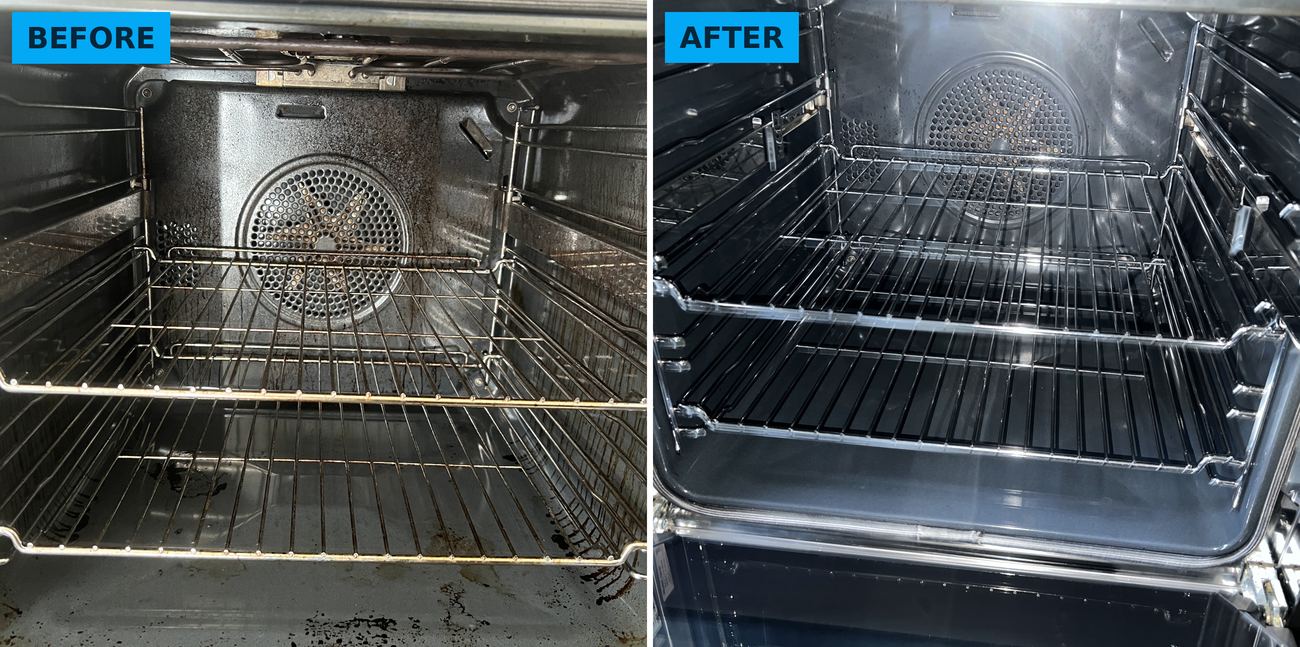
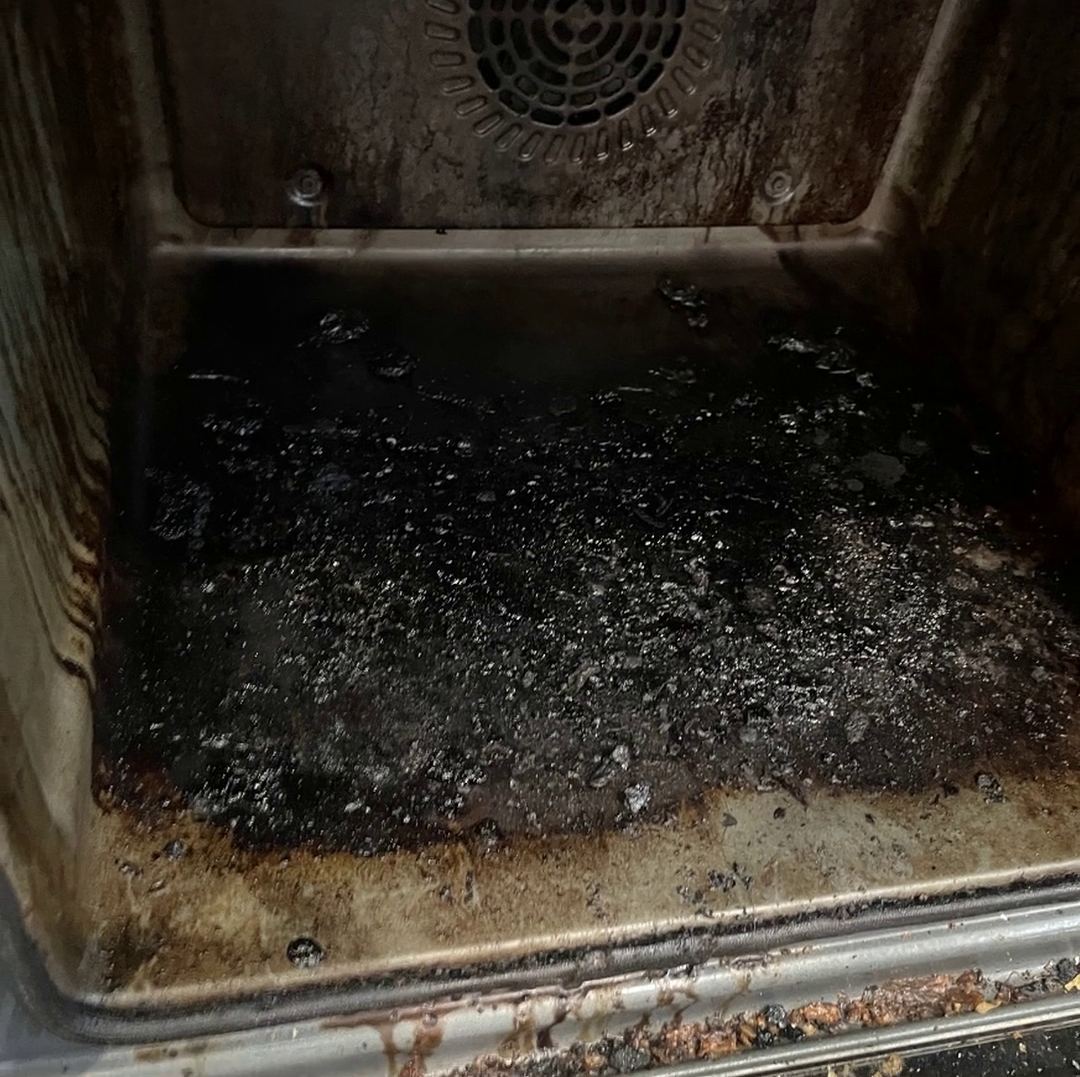
Author Profile

- Dylan Cransworth is a dynamic and passionate copywriter with a flair for turning words into compelling narratives. Armed with a keen understanding of consumer behavior and marketing trends, Dylan crafts persuasive and engaging copy that captivates target audiences. With a background in creative writing and a penchant for storytelling, Dylan brings brands to life through persuasive language and strategic messaging.
Latest entries
 DIY cleaningFebruary 4, 2025How to Divide Household Chores Fairly (Without the Arguments!)
- Carpet CleaningJanuary 10, 2025Can You Clean a Mattress with a Carpet Cleaner?
- BusinessDecember 17, 2024The Ultimate Guide to Our Professional Oven Cleaning Process
- Carpet CleaningDecember 7, 2024How To Clean Carpet By Hand: A Step by Step Guide


Previously
How To Clean Carpet By Hand: A Step by Step Guide
December 7, 2024
Next
The Upside of Owning a Cleaning Franchise
November 15, 2024Latest Blog Posts
October 6, 2026 - Oven Cleaning
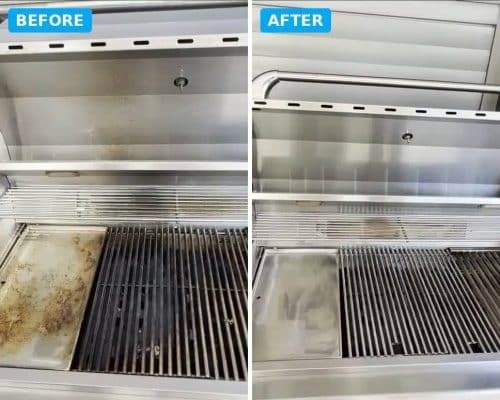
Built-In or Balcony BBQ? What to Sort Before a Clean
Most BBQ cleaning advice assumes a freestanding hooded BBQ on a concrete patio, a few steps from a garden tap....
Read More

September 16, 2026 - Upholstery cleaning
Why Your Freshly Cleaned Sofa Might Look Worse
Why stains reappear after sofa cleaning, what water damage does inside cushion fill, and why a deep clean can look like nothing happened. Four real jobs.

September 5, 2026 - Oven Cleaning
Is a Dirty Oven Dangerous? What Burnt-On Grease Really Does
Most people live with a dirty oven until something forces their hand. Usually that means after a spill has burned...
Read More
July 29, 2025 - Window cleaning
Windows and Mirror Cleaning: Professional Secrets from Optima Cleaners
You know that feeling when you’ve spent twenty minutes scrubbing your bathroom mirror, only to step back and see more...
Read More
July 8, 2025 - Home Cleaning
Essential Australian Home Defense: Protecting Your Property from Our Harshest Elements
Most homeowners think gutter cleaning is about aesthetics or maybe preventing a bit of overflow during a storm. That thinking...
Read More

June 19, 2025 - DIY cleaning, Home Cleaning
What to Clean Before Guests Arrive (And What You Can Totally Ignore)
The text notification pops up on your phone: “Can’t wait to see you this weekend!” Your heart does a little...
Read More

June 3, 2025 - Carpet Cleaning, Home Cleaning
5 Simple Steps to Keep Your Cowhide Rug Looking Brand New
There’s something undeniably captivating about a beautiful cowhide rug. Whether it’s gracing your living room floor with its natural patterns...
Read More
May 16, 2025 - Mattress Cleaning, Upholstery cleaning
Steam Cleaning vs Dry Cleaning for Upholstery: Which Is Better?
If you’ve got a well-loved sofa or an armchair that’s seen a few too many movie nights, chances are you’re...
Read More
May 6, 2025 - Spring cleaning, Tips and tricks
How to stop insects from taking over your home naturally and effectively
Why Insects Invade Your Home in the First Place If you’ve ever spotted a trail of ants across your kitchen...
Read More

April 15, 2025 - Carpet Cleaning, Tips and tricks
6 Methods to Remove Crayon From Your Carpet
It happens in almost every home with small children at some point – that heart-stopping moment when you discover bright...
Read More